

Juice Bottles

JUICE BOTTLES
Express Your Unique Branding with Food Grade Safe Juice Bottles and Closures
Wholesale Juice Bottles: Plastic and Glass Packaging
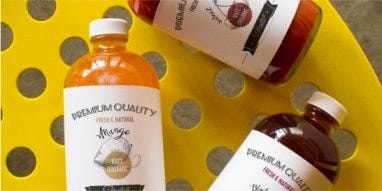
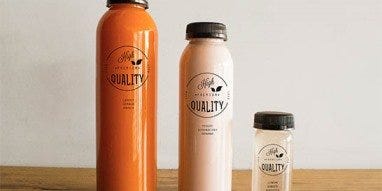
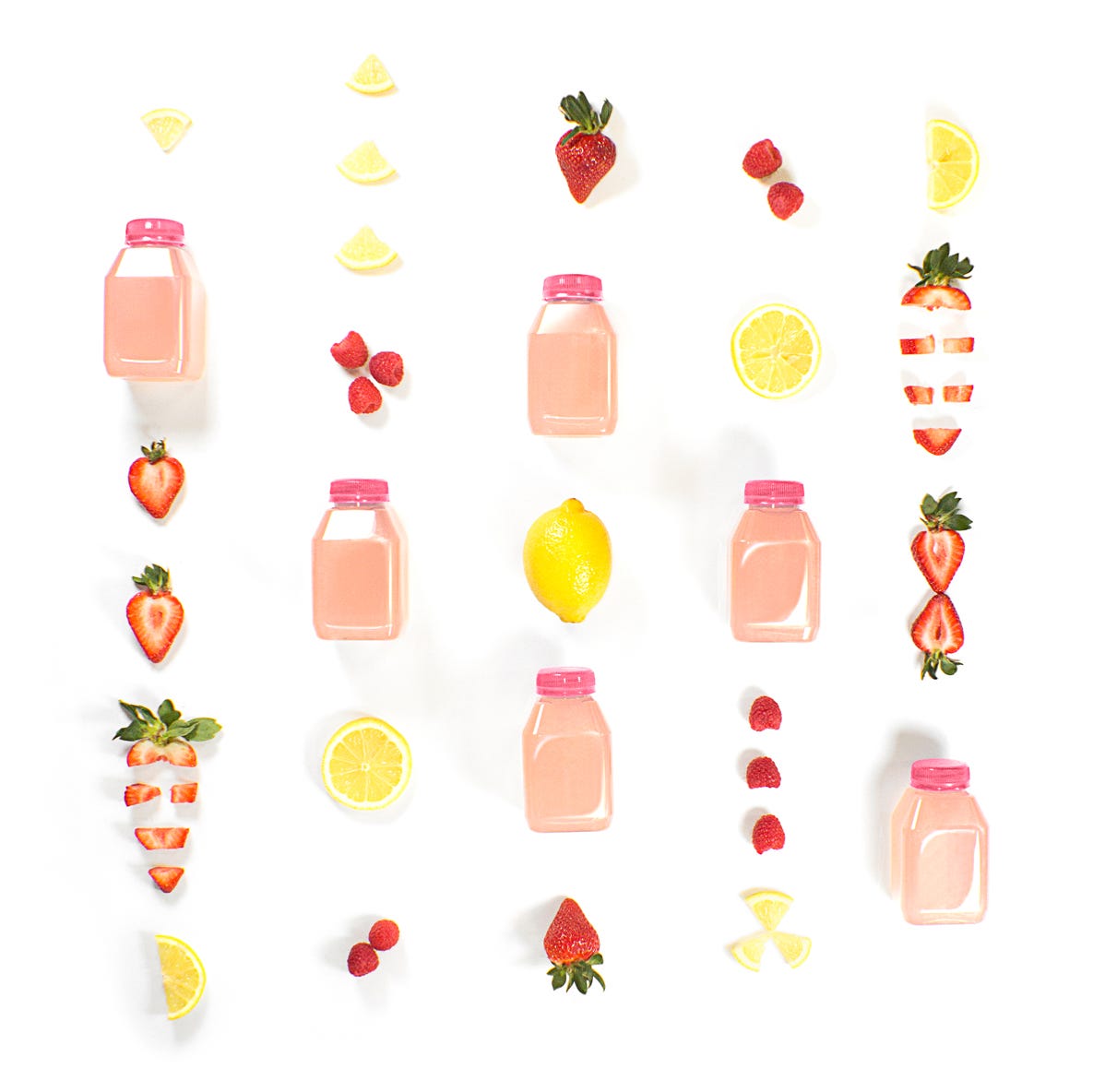
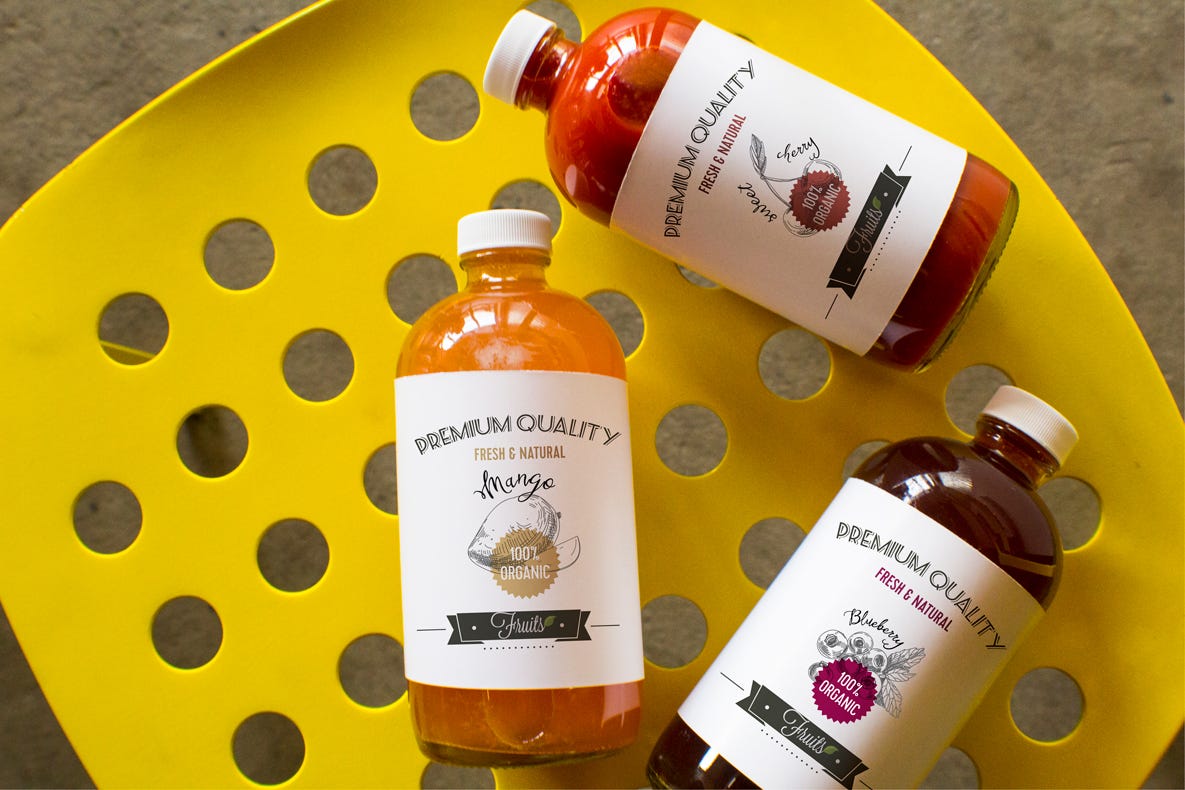
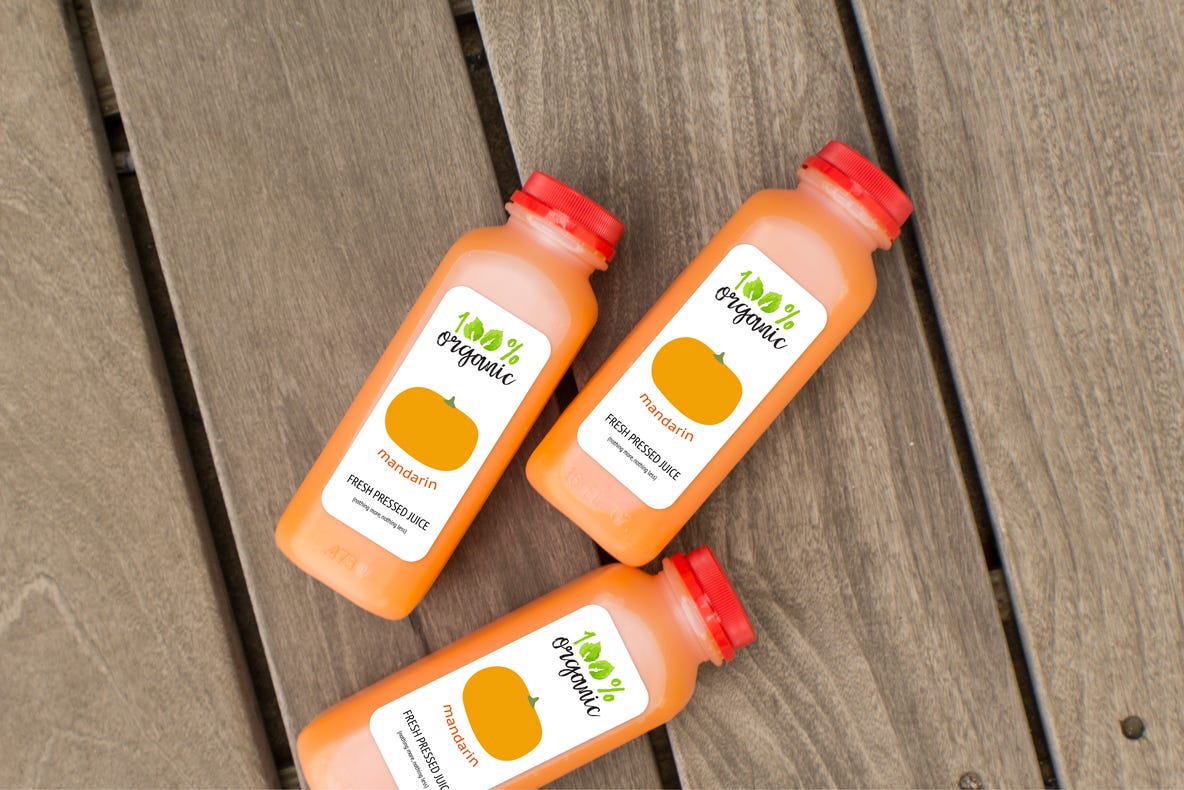
Selecting a unique juice bottle size or shape is your first step to stand out from the competition when you’re investing in plastic bottles with caps for drinks. We provide a wide range of wholesale juice bottles, glass or plastic, to suit any beverage. If you’re looking to buy plastic beverage bottles, or need bulk beverage bottles, Bottlestore.com provides options to purchase custom quantities on an individual basis or with wholesale pricing.
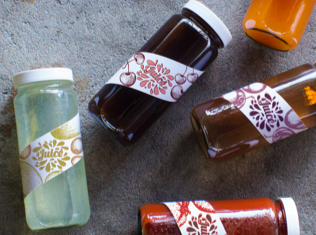
We also offer a full-service packaging solution, with multiple printing options for customized bottle labels. Speak with our packaging solutions experts to learn more and plan your bottle decorating strategy.
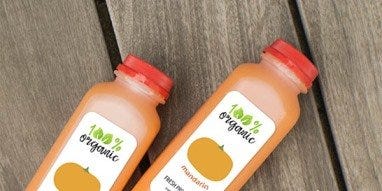
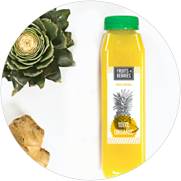
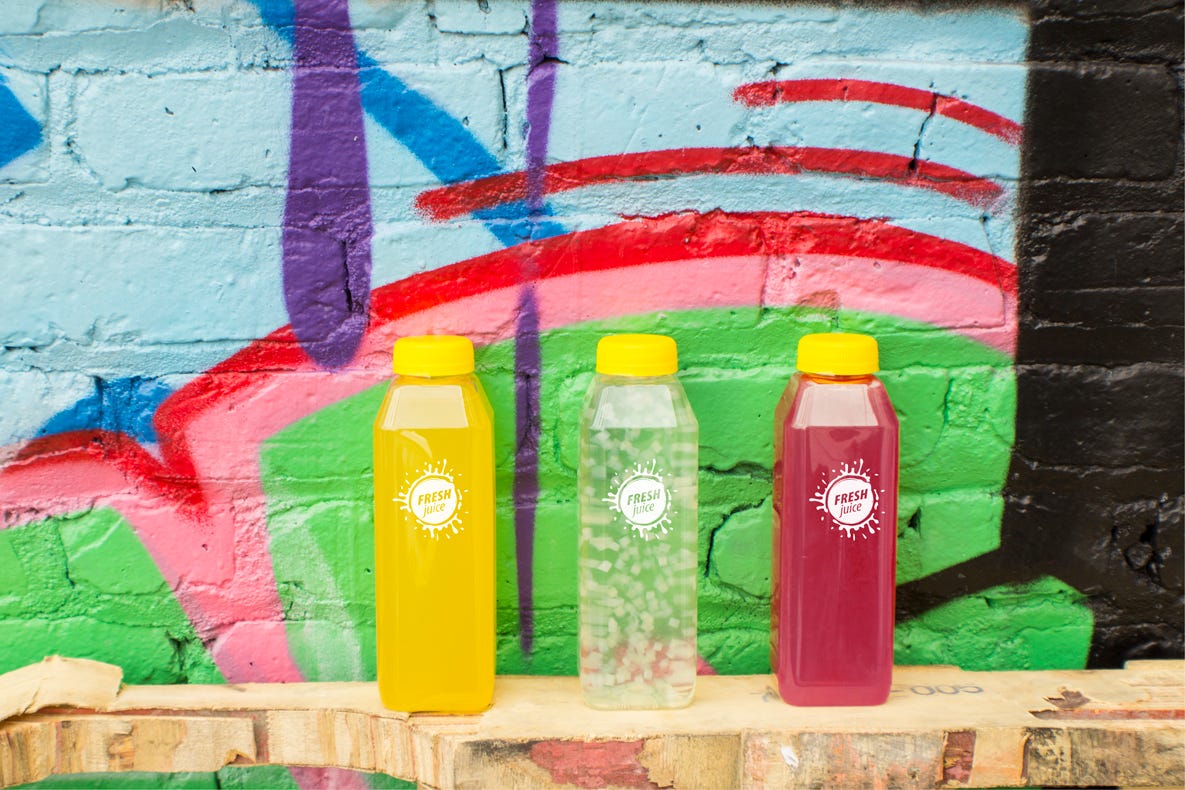
One of our most popular options, besides our wildly popular 16oz glass beverage bottles, is our clear plastic juice bottles, which allow customers to see the natural colors of each juice. Our high-quality plastic bottles help catch the attention of consumers, as they can immediately see the quality and texture of your product.
Keep Your Overhead Costs Low
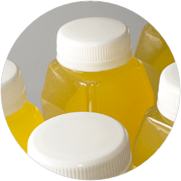
We offer both PET and HDPE juice bottles for easy shipping and distribution. These bottles are lightweight and durable — they’re inexpensive to ship, easy for your customers to carry, and you won’t have to worry about breakage or loss. Of course, they’re 100% recyclable as well.
Safety is #1
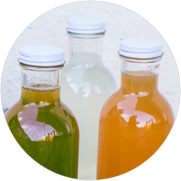
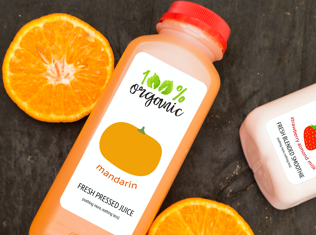
Safety is of the utmost importance for consumers, which is why we have a variety of lids and caps available. Our food-safe bottles can be fitted with a matching cap or tamper-evident closure, which gives your customers peace of mind about the safety of your product.
We have band plug seal caps, tear-away caps, tamper-evident closures, and more. With any of these options, you give your customers the instant assurance they need. They know they can trust that your products are fresh and safe to drink, which is obviously the most important attribute for any beverage.
Resources
From Local to National: How to Prepare Your Packaging for Retail Distribution
There is a particular kind of pride that comes with hand-filling your hundredth bottle at the kitchen counter, sealing it, and handing it to a customer who drove across town just for your product. That intimacy is the heart of a side hustle. But the …
Continue Reading
Co-Packing 101: What to Know About Packaging Requirements Before Hiring a Co-Packer
Growing a product-based business from a kitchen counter or garage workshop into a brand stocked on retail shelves is one of the most exciting transitions an entrepreneur can make. But somewhere between hand-filling your hundredth bottle and fielding your first major wholesale order, a hard …
Continue Reading
Shelf Life Starts with the Container: How Packaging Protects Your Product
Getting Started: Your First Packaging Decisions Every product has an expiration point â a moment when flavor fades, potency diminishes, or texture breaks down beyond what a customer will accept. That moment is defined by shelf life, and for entrepreneurs getting started with a new …
Continue Reading
Caps, Closures, and Seals: The Beginner’s Guide to Choosing the Right Lid
Of all the decisions an entrepreneur makes when developing a product, the one most often relegated to the end of the list is the lid. It’s easy to understand why. A founder spends months perfecting a formula, weeks agonizing over a bottle shape, and days …
Continue Reading
How Your Bottle Shape Tells Your Brand Story: A Visual Guide for New Founders
Every product on a retail shelf has roughly three seconds to make an impression. For new founders entering the food and beverage, personal care, or home goods industries, the bottle shape you choose is one of the most powerful â and most overlooked â branding …
Continue Reading
Glass vs. Plastic vs. Metal: Which Packaging Material Is Right for Your Startup?
For entrepreneurs launching a new product, few decisions carry as much weight as choosing the right packaging material. Your packaging is the first thing a customer sees, the last thing standing between your product and the outside world, and one of the clearest signals of …
Continue Reading
Pickling Jars and Canning Jars for Fall: A Complete Guide to Choosing the Right Glass Jars
As the crisp air of autumn settles in, the harvest season inspires many to turn toward traditional kitchen crafts like pickling and canning. Fallâs bounty of apples, cucumbers, pumpkins, tomatoes, and peppers offers endless opportunities for creating shelf-stable goods that can be enjoyed throughout the …
Continue Reading
Maximizing Branding for Fresh Pressed Juices – Tips for Making Your Juice Brand Stand Out
In todayâs saturated beverage market, the competition for shelf space and consumer attention is intense, especially in the fresh-pressed juice category. From small farmersâ market vendors to rapidly scaling wellness startups, everyone is vying for that moment of eye contact between their juice bottle and …
Continue Reading
Visit our Blog
Juice Bottles – 5 Commonly Asked Questions
1. What is the best material for juice bottles—glass or plastic?
The best material for juice bottles depends on how the juice is produced, distributed, and consumed. Glass bottles are often preferred for premium, cold-pressed, or organic juices because they are non-porous, won’t absorb odors or flavors, and provide excellent oxygen and moisture barriers. This helps preserve taste, color, and nutritional integrity.
Plastic bottles, typically made from PET or HDPE, are lightweight, shatter-resistant, and more cost-effective for large-scale distribution. PET offers excellent clarity and recyclability, while HDPE is commonly used for opaque juice containers. Many juice brands use glass for premium lines and plastic for everyday or high-volume products.
2. Are juice bottles BPA-free and food-safe?
Most modern juice bottles are designed to be BPA-free and food-safe. PET and HDPE plastic juice bottles are naturally BPA-free and compliant with FDA food-contact regulations. Glass juice bottles are inherently BPA-free and non-reactive, making them ideal for acidic beverages.
Closures and liners also play a role in food safety. Caps should use food-grade liners that are free from BPA and other harmful additives. Reputable suppliers clearly label bottles as food-safe and provide compliance documentation.
3. What sizes are most popular for juice bottles?
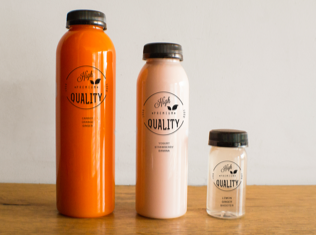
The most popular juice bottle sizes range from 8 oz to 16 oz, especially for cold-pressed juices, smoothies, and wellness beverages. These single-serve sizes are common in cafés, gyms, and refrigerated retail cases.
Larger sizes like 32 oz and 64 oz are often used for family-size juices or juice cleanses, while smaller 2 oz to 4 oz bottles are popular for concentrated shots and functional blends.
4. How do juice bottles affect freshness and shelf life?
Juice bottles play a critical role in preserving freshness, flavor, and nutritional value. Glass bottles provide excellent protection against oxygen transfer and do not react with acidic juices, helping maximize shelf life.
Plastic bottles, particularly PET, offer good barrier properties but may allow slightly more oxygen transmission over time. They are often paired with refrigeration, tamper-evident closures, or high-pressure processing (HPP) to maintain freshness.
5. Are juice bottles recyclable or environmentally friendly?
Glass juice bottles are fully recyclable and can be reused endlessly without loss of quality, making them a popular choice for sustainability-focused brands.
PET and HDPE plastic juice bottles are also widely recyclable and increasingly manufactured with recycled content (rPET). Environmental impact depends on material choice, transportation distance, and reuse potential.


