

- Category
-
- Single Serve Size - Up to 8oz 33
- Bulk and Concentrate Size - Up to 64oz 18
- Boston Round Cold Brew Coffee Bottles 21
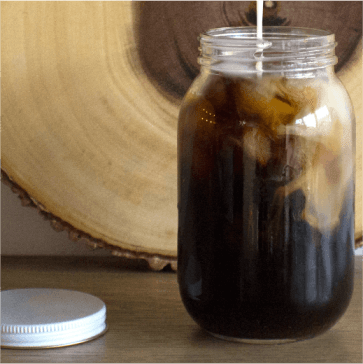
- Round Jars for Cold Brew Coffee 14
- Square Bottles for Cold Brew Coffee 13
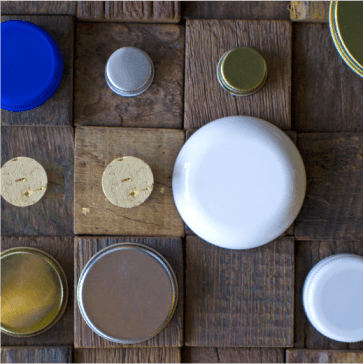
- Caps for Cold Brew Coffee Bottles 43
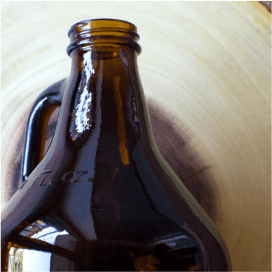
- Amber Cold Brew Coffee Bottles 15
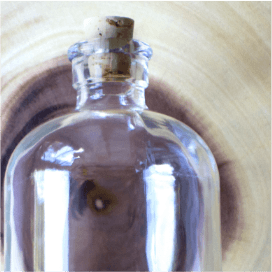
- Flint Cold Brew Coffee Bottles 26
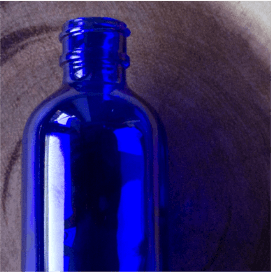
- Cobalt Cold Brew Coffee Bottles 2
- Natural Cold Brew Coffee Bottles 2
- Shop All Cold Brew Coffee Bottles 97
Cold Brewed Coffee Bottles

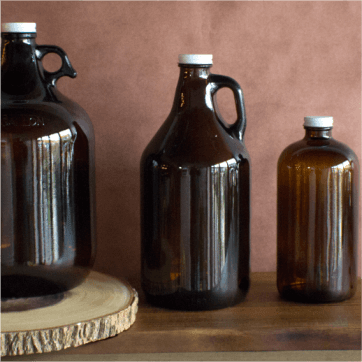
Traditional and Contemporary Cold Brewed Coffee Bottles
Coffee holds a special spot in our caffeine-crazed society, and in recent years, cold brew coffee has become increasingly popular. Especially in the summer months, many consumers are passing up the traditional hot cup of Joe for a refreshing chilled alternative.
If you’ve started producing your own delicious cold brew coffee, BottleStore.com has the high-quality containers you need. We have several different styles of eight-ounce bottles for single-serving sales, and we have many types of 32-oz and 64-oz bottles and jugs for bulk distribution. In between these options, our classic Boston Round glass bottles range from eight to 32 ounces, and we offer them in either clear or amber-colored glass.
Looking for Plastic Packaging?
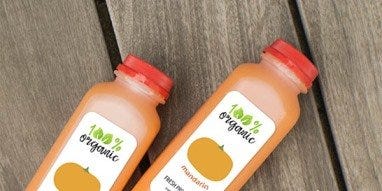
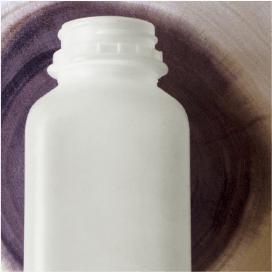
Looking for plastic packaging, providing a durable and shatter-proof alternative to glass bottles? We have plenty of those as well! BottleStore.com offers clear PET plastic beverage bottles with tamper-evident necks, making them the perfect option for selling to consumers on the go. We also provide our customers with HDPE plastic juice bottles that work well for cold brewed coffee.
Need Help With Labeling?
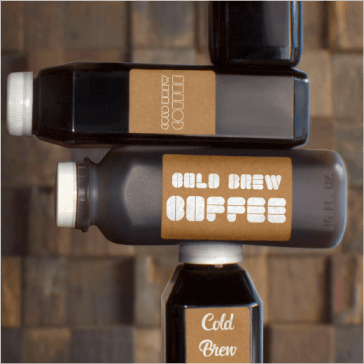
If you want some help with labeling, we can provide that as well. All you need to do is contact one of our BottleStore.com packaging experts, and they can help you decide what your best options are for labels. If you’re going to sell your cold brewed coffee in a retail setting, it’s important that your bottles be labeled in a way that attracts attention from potential consumers, while also adhering to any applicable legal requirements.
Whether you’re seeking solutions for a high-volume retail distribution plan, or if you simply produce cold brew coffee in smaller batches for your own enjoyment, BottleStore.com has options that suit anyone’s needs. Contact us today for more information, especially if you’re looking to purchase a large volume of bottles — we have some discounts available that could cut your price tag significantly!
Resources
From Local to National: How to Prepare Your Packaging for Retail Distribution
There is a particular kind of pride that comes with hand-filling your hundredth bottle at the kitchen counter, sealing it, and handing it to a customer who drove across town just for your product. That intimacy is the heart of a side hustle. But the …
Continue Reading
Co-Packing 101: What to Know About Packaging Requirements Before Hiring a Co-Packer
Growing a product-based business from a kitchen counter or garage workshop into a brand stocked on retail shelves is one of the most exciting transitions an entrepreneur can make. But somewhere between hand-filling your hundredth bottle and fielding your first major wholesale order, a hard …
Continue Reading
Shelf Life Starts with the Container: How Packaging Protects Your Product
Getting Started: Your First Packaging Decisions Every product has an expiration point â a moment when flavor fades, potency diminishes, or texture breaks down beyond what a customer will accept. That moment is defined by shelf life, and for entrepreneurs getting started with a new …
Continue Reading
Caps, Closures, and Seals: The Beginner’s Guide to Choosing the Right Lid
Of all the decisions an entrepreneur makes when developing a product, the one most often relegated to the end of the list is the lid. It’s easy to understand why. A founder spends months perfecting a formula, weeks agonizing over a bottle shape, and days …
Continue Reading
How Your Bottle Shape Tells Your Brand Story: A Visual Guide for New Founders
Every product on a retail shelf has roughly three seconds to make an impression. For new founders entering the food and beverage, personal care, or home goods industries, the bottle shape you choose is one of the most powerful â and most overlooked â branding …
Continue Reading
Glass vs. Plastic vs. Metal: Which Packaging Material Is Right for Your Startup?
For entrepreneurs launching a new product, few decisions carry as much weight as choosing the right packaging material. Your packaging is the first thing a customer sees, the last thing standing between your product and the outside world, and one of the clearest signals of …
Continue Reading
Pickling Jars and Canning Jars for Fall: A Complete Guide to Choosing the Right Glass Jars
As the crisp air of autumn settles in, the harvest season inspires many to turn toward traditional kitchen crafts like pickling and canning. Fallâs bounty of apples, cucumbers, pumpkins, tomatoes, and peppers offers endless opportunities for creating shelf-stable goods that can be enjoyed throughout the …
Continue Reading
The Heat is Here! Bottle Store “Capped & Curated” Summer Edition
The warm weather is finally here, and with the season change comes a newly updated BottleStoreâSummer Capped and Curated Playlist! With summer berries, stone fruits, and melons now in season, it is the perfect time to produce your very own artisanal syrups or fruit-inspired candles. …
Continue Reading
Visit our Blog
Looking for plastic packaging, providing a durable and shatter-proof alternative to glass bottles? We have plenty of those as well! BottleStore.com offers clear PET plastic beverage bottles with tamper-evident necks, making them the perfect option for selling to consumers on the go. We also provide our customers with HDPE plastic juice bottles that work well for cold brewed coffee.
If you want some help with labeling, we can provide that as well. All you need to do is contact one of our BottleStore.com packaging experts, and they can help you decide what your best options are for labels. If you’re going to sell your cold brewed coffee in a retail setting, it’s important that your bottles be labeled in a way that attracts attention from potential consumers, while also adhering to any applicable legal requirements.
Whether you’re seeking solutions for a high-volume retail distribution plan, or if you simply produce cold brew coffee in smaller batches for your own enjoyment, BottleStore.com has options that suit anyone’s needs. Contact us today for more information, especially if you’re looking to purchase a large volume of bottles — we have some discounts available that could cut your price tag significantly!
How Long Does Cold Brew Last Once Opened/Unopened?
Unopened cold brew can last quite a while when stored properly. Commercial cold brew bottles typically remain fresh until their “best by” date—usually around 120 days from production when kept refrigerated. While cold brew isn't as perishable as milk, refrigeration is essential for maintaining optimal flavor and freshness.
Once opened, cold brew should be consumed more quickly. Most experts recommend drinking opened cold brew within 7–14 days for best quality. The general consensus is that 7 days is ideal, though many cold brew concentrates remain safe and flavorful for up to two weeks when properly refrigerated with the cap tightly sealed.
The key factor is temperature control. Cold brew should always be stored in the refrigerator at 40°F or below, both before and after opening. While unopened bottles can tolerate brief periods at room temperature during shipping or transport, prolonged exposure to warmth accelerates flavor degradation.
For homemade cold brew concentrate, apply the same two-week maximum rule. If your cold brew starts tasting “off” or develops unusual odors, it's time to discard it. When in doubt, trust your senses—fresh cold brew should taste smooth and clean.
How Long Should I Steep/Brew Cold Brew?
The sweet spot for steeping cold brew is 12–16 hours, though you have some flexibility depending on your preferences and brewing temperature. Most coffee experts recommend a minimum of 8 hours, with 12 hours being the most common target for home brewers.
Temperature affects steeping time significantly. If brewing at room temperature, 12 hours typically produces excellent results. When brewing in the refrigerator, the colder water extracts more slowly, so you may need 15–17 hours to achieve the same strength and flavor profile.
Avoid over-steeping. While it's tempting to think longer equals stronger, steeping beyond 18–24 hours can introduce unpleasant woody or bitter notes. Coffee and water reach an extraction equilibrium that slows the process considerably after about 16 hours, so extended steeping offers diminishing returns.
For stronger cold brew, resist the urge to steep longer. Instead, adjust your coffee-to-water ratio or simply dilute less when serving. This approach gives you better control over strength without risking off-flavors.
Most cold brew bottles make the process foolproof: add coarse-ground coffee, fill with cold water, refrigerate overnight, and enjoy smooth, flavorful coffee by morning.
What Grind Size Should I Use for Cold Brew?
Coarse grind is the gold standard for cold brew coffee—similar to what you'd use for a French press. This larger particle size is essential for the extended steeping process that cold brew requires.
Why coarse matters: Cold brew steeps for 12–16 hours, significantly longer than hot brewing methods. A coarse grind prevents over-extraction, which can make your coffee taste bitter or muddy. The larger grounds also make filtration much easier, allowing water to flow freely through your cold brew bottle's filter without clogging.
Consistency is key. Ideally, use a burr grinder rather than a blade grinder to achieve uniform particle size. Inconsistent grinds lead to uneven extraction—fine particles over-extract while larger chunks under-extract, resulting in imbalanced flavor.
Avoid fine or medium grinds. These smaller particles create several problems: they can slip through most cold brew bottle filters, making your coffee gritty; they extract too quickly, producing harsh flavors; and they make the filtering process frustratingly slow.
Most cold brew bottle manufacturers recommend 55–60 grams of coarsely ground coffee for optimal results. If you don't have a grinder at home, ask your local coffee shop to grind beans specifically for cold brew.
Should I Brew Cold Brew at Room Temperature or in the Refrigerator?
Both methods work well—the choice comes down to timing and personal preference. Each approach produces delicious cold brew with slightly different brewing schedules.
Room temperature brewing is faster and more convenient. At ambient temperature, cold brew typically reaches optimal extraction in about 12 hours. This method is popular because it's simple—just set your cold brew bottle on the counter, let it steep overnight, and refrigerate the finished concentrate in the morning.
Refrigerator brewing takes longer but offers convenience. The colder water extracts more slowly, requiring 15–17 hours to achieve the same strength as counter brewing. However, this extended timeline can work to your advantage if you won't be home exactly at the 12-hour mark.
The finished product tastes similar either way. The key difference is extraction speed, not flavor quality. Regardless of which method you choose, always refrigerate your cold brew immediately after removing the grounds to chill it quickly and preserve freshness.
Pro tip: Room temperature brewing is ideal for consistency and predictability, while refrigerator brewing offers flexibility for busy schedules. Neither method is superior—choose based on your timing needs and kitchen workflow.
What's the Proper Coffee-to-Water Ratio for Cold Brew Bottles?
The ideal ratio for cold brew concentrate is approximately 1:7.5 to 1:8 (coffee to water by weight), which is roughly double the strength of regular hot coffee. This creates a concentrate you can dilute to your preferred taste when serving.
For most cold brew bottles, use 55–60 grams of coarsely ground coffee with 650–750ml of water. If you don't have a scale, that's about a heaping half-cup of grounds. This ratio produces a rich concentrate that typically gets diluted 1:1 with water, milk, or ice when drinking.
Adjust based on your preferences. Want a stronger cold brew? Increase the coffee amount or use less water rather than steeping longer. For a lighter, ready-to-drink version instead of concentrate, try a 1:15 ratio similar to hot coffee.
Why concentrate matters: Making concentrate is more efficient and versatile. You can store it in your refrigerator and customize each serving's strength. Some prefer it over ice with equal parts water, while others enjoy it black or with a splash of milk.
Most cold brew bottle manufacturers include specific measurements for their systems, so follow those recommendations for best results with your particular bottle design.
Shop By
Shopping Options


