

Kombucha Bottles


A Tasty Probiotic Beverage Taking Grocery Store Shelves by Storm
Whether it’s produced using sweetened green tea or black tea, kombucha is a tasty probiotic beverage taking grocery store shelves by storm. The fermented drink has a low level of alcohol and a slight amount of fizz, and it provides the body with a healthy dose of probiotics, enzymes, and vitamins. At BottleStore.com, we offer a wide selection of glass and plastic bottles to accommodate the needs of kombucha manufacturers.
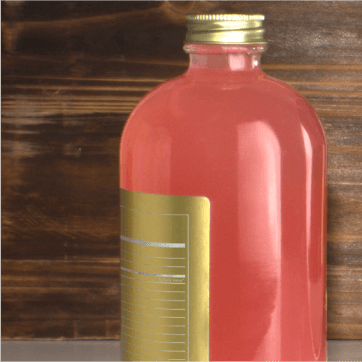
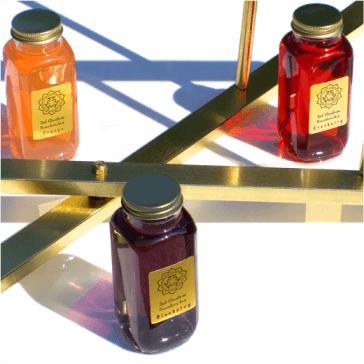
Kombucha producers can choose from an assortment of reliable glass bottles in popular styles like Boston Round, Pour-Out Round, and Stout Round. For a more unique look, consider one of our attractive Square or French Square bottle shapes to help your kombucha products stand out.
Available in a Range of Neck Sizes for Easy Filling
Bottles are available in a range of neck sizes for easy filling. A number of attention-grabbing glass color options are also available, including blue, amber, and green. Clear glass bottles are another great choice for showcasing the natural color and texture of your kombucha drinks.
Looking for Food-Safe Plastic Containers?
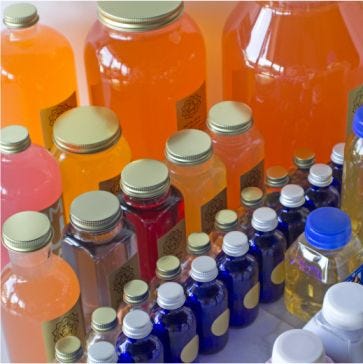
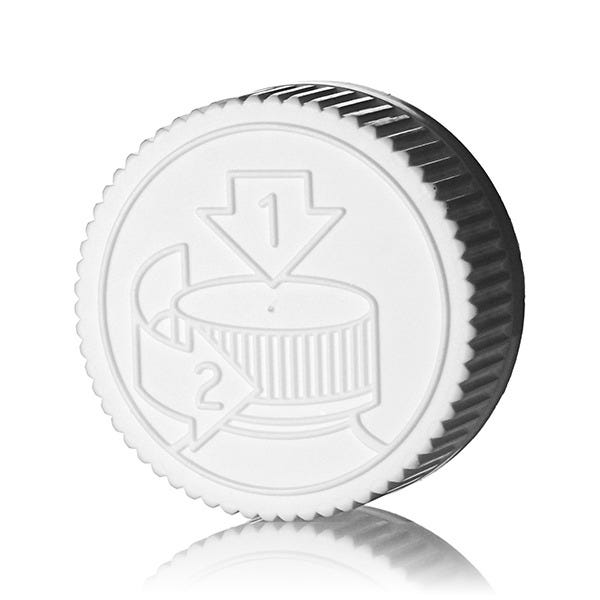
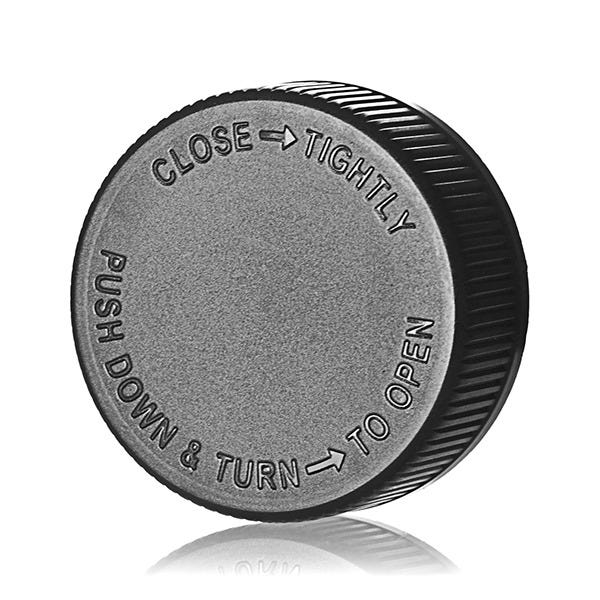
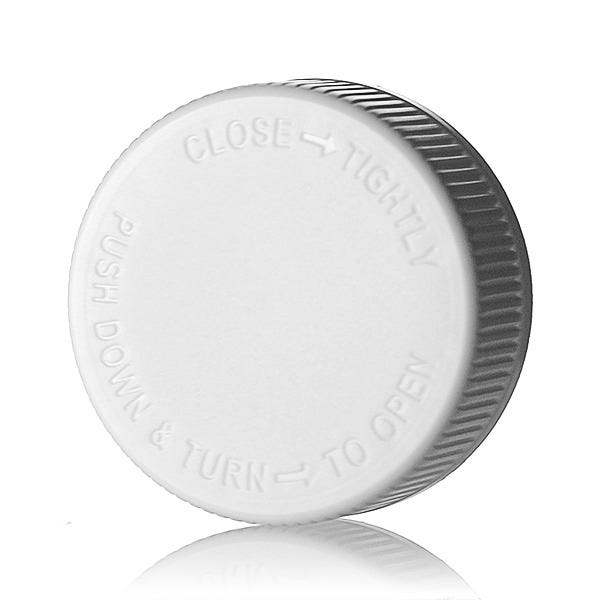
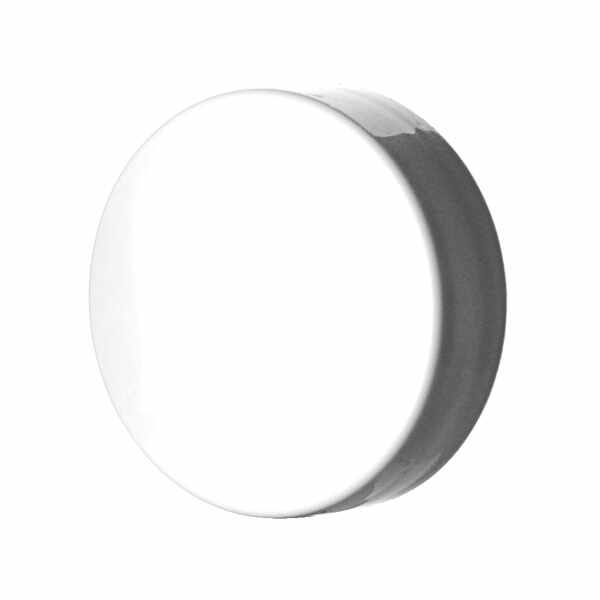
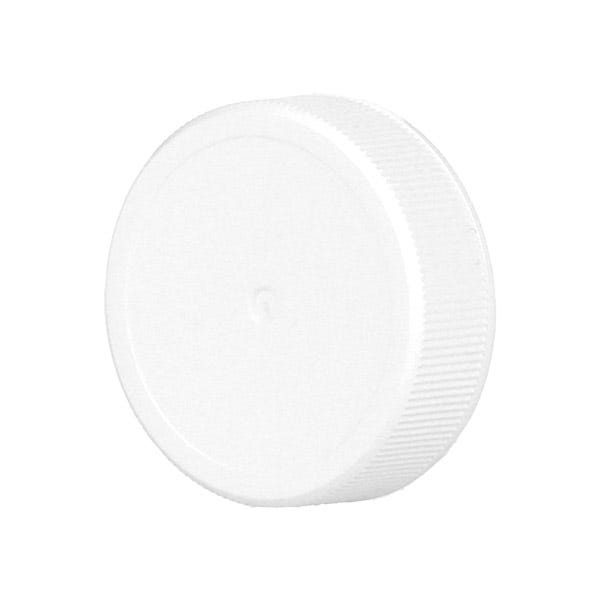
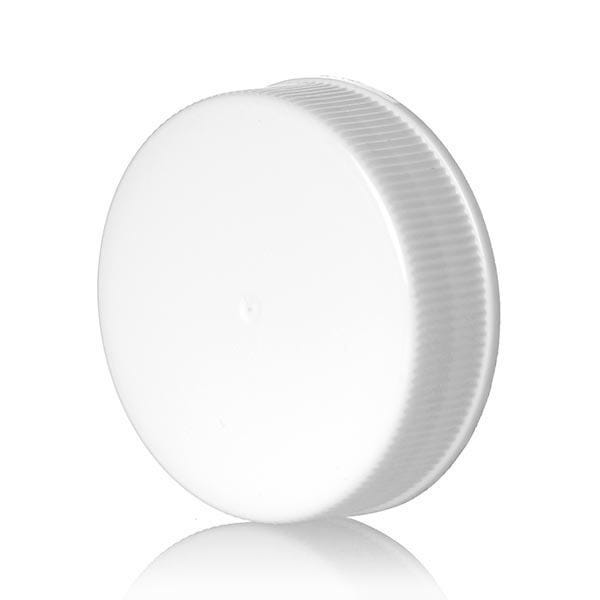
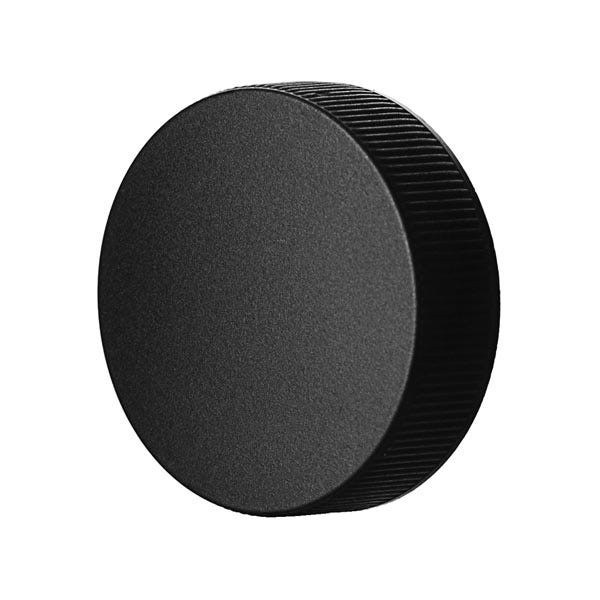
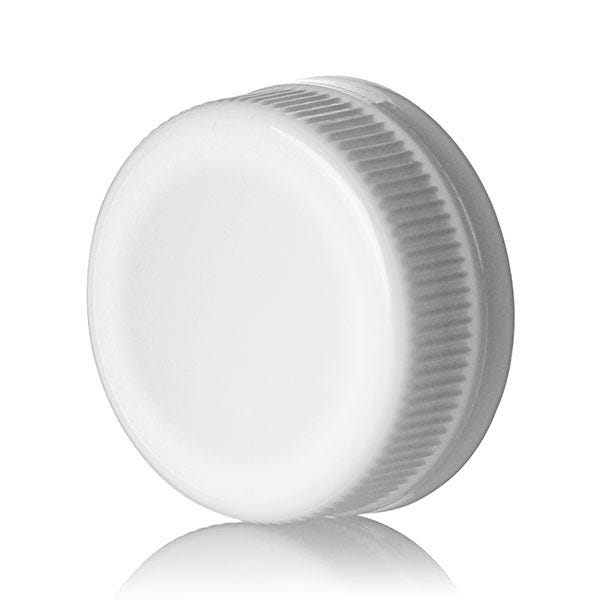
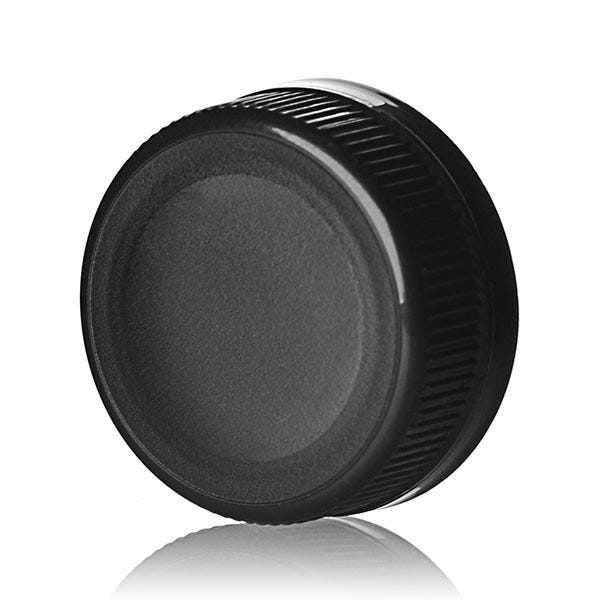
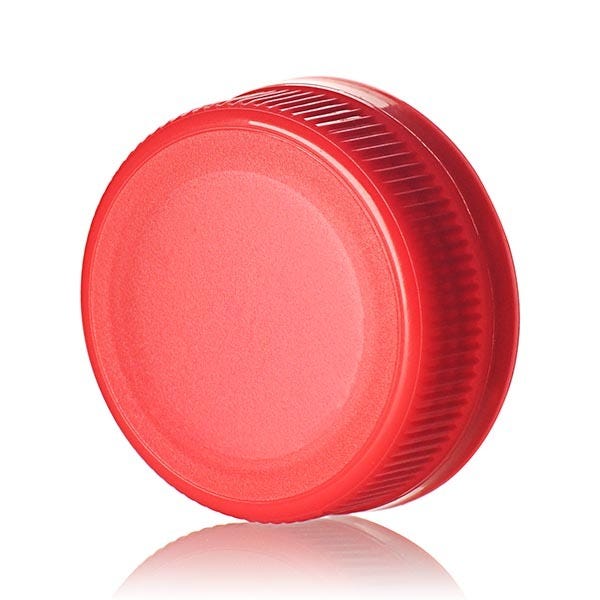
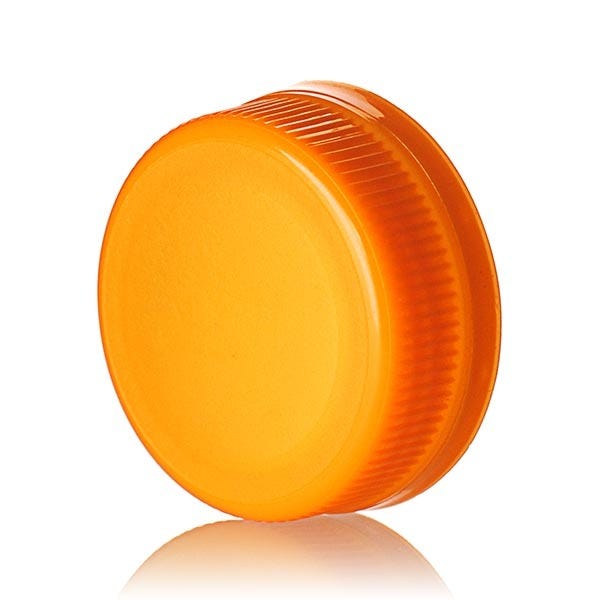
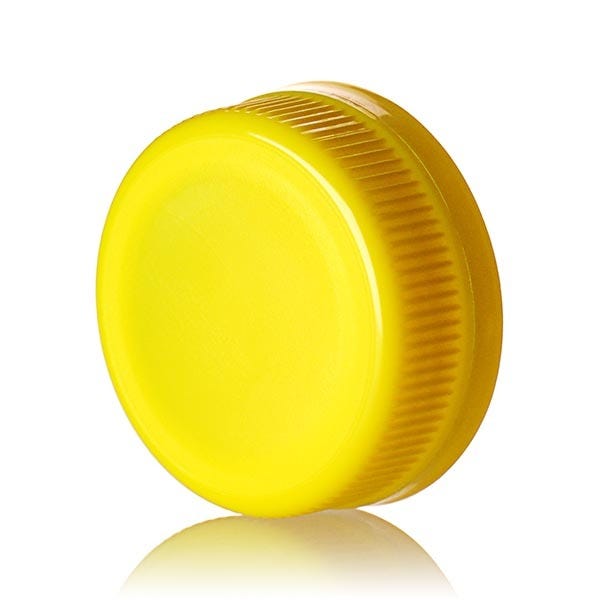
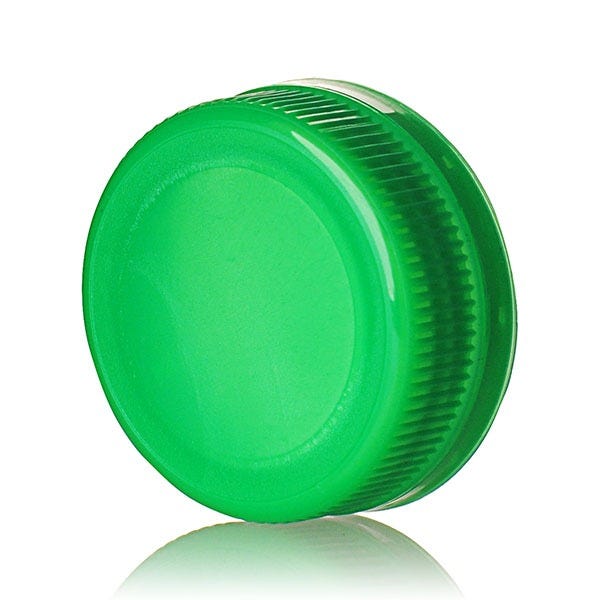
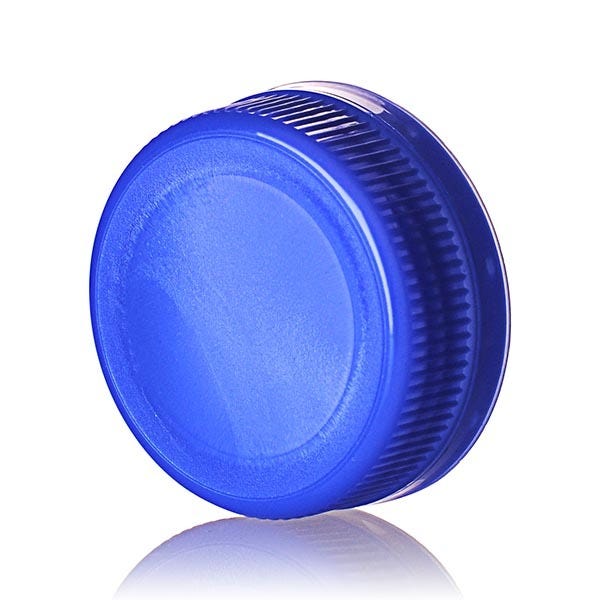
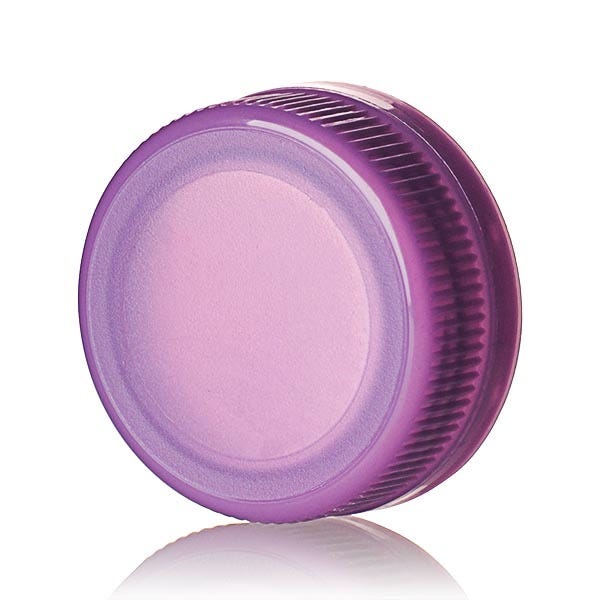
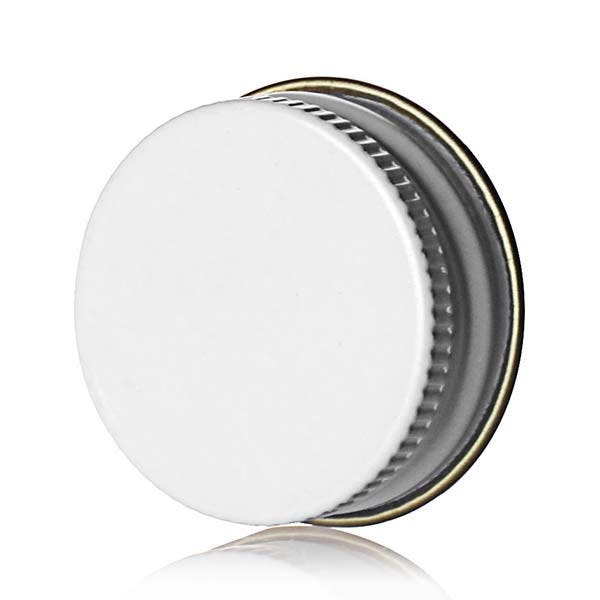
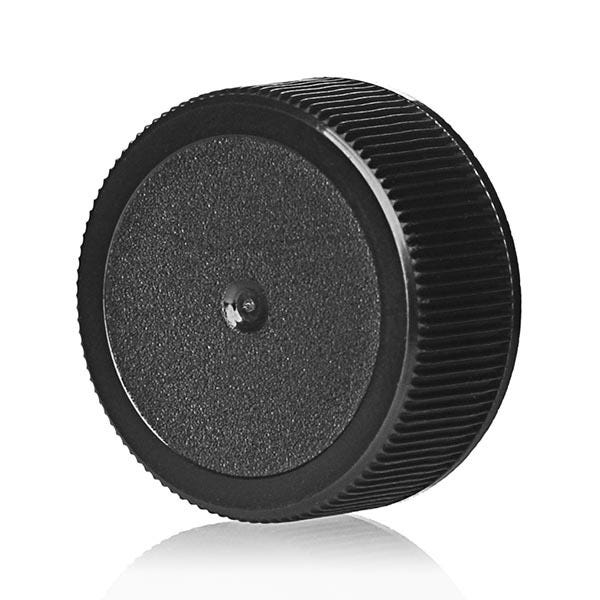
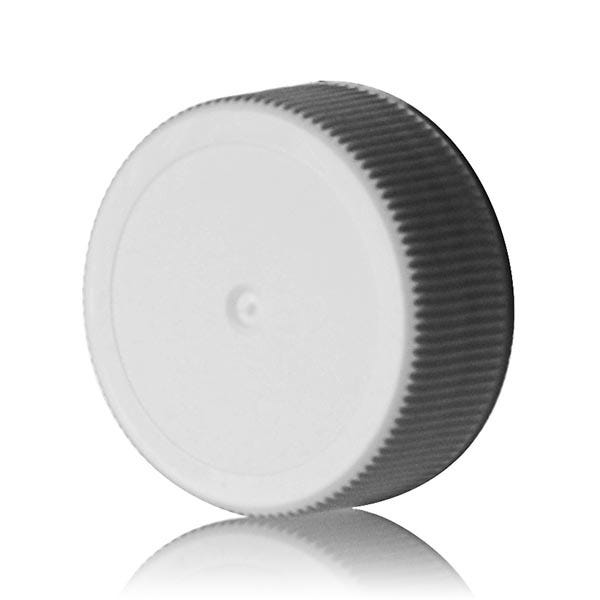
Food-safe plastic containers are also available for purchase, with styles like Cosmo Round, Cylinder, Bullet, and Rectangular to suit your manufacturing needs. Sizes range from sample-friendly trial-sized all the way up to large gallon-sized bottles. Both plastic and glass containers can be fitted with a heavy-duty cap or closure, to protect your products and reduce spillage. You can even choose colored caps to match your logo or brand colors.
Keep your manufacturing process on track with our easy ordering options. If you aren’t sure which style of container you need for your kombucha products, contact our team of dedicated and experienced packaging experts. We can help you find the right container at the right price. Special discounts are available on wholesale and bulk container orders. We can help you make the best decision for your kombucha beverage product line!
Resources
From Local to National: How to Prepare Your Packaging for Retail Distribution
There is a particular kind of pride that comes with hand-filling your hundredth bottle at the kitchen counter, sealing it, and handing it to a customer who drove across town just for your product. That intimacy is the heart of a side hustle. But the …
Continue Reading
Co-Packing 101: What to Know About Packaging Requirements Before Hiring a Co-Packer
Growing a product-based business from a kitchen counter or garage workshop into a brand stocked on retail shelves is one of the most exciting transitions an entrepreneur can make. But somewhere between hand-filling your hundredth bottle and fielding your first major wholesale order, a hard …
Continue Reading
Shelf Life Starts with the Container: How Packaging Protects Your Product
Getting Started: Your First Packaging Decisions Every product has an expiration point â a moment when flavor fades, potency diminishes, or texture breaks down beyond what a customer will accept. That moment is defined by shelf life, and for entrepreneurs getting started with a new …
Continue Reading
Caps, Closures, and Seals: The Beginner’s Guide to Choosing the Right Lid
Of all the decisions an entrepreneur makes when developing a product, the one most often relegated to the end of the list is the lid. It’s easy to understand why. A founder spends months perfecting a formula, weeks agonizing over a bottle shape, and days …
Continue Reading
How Your Bottle Shape Tells Your Brand Story: A Visual Guide for New Founders
Every product on a retail shelf has roughly three seconds to make an impression. For new founders entering the food and beverage, personal care, or home goods industries, the bottle shape you choose is one of the most powerful â and most overlooked â branding …
Continue Reading
Glass vs. Plastic vs. Metal: Which Packaging Material Is Right for Your Startup?
For entrepreneurs launching a new product, few decisions carry as much weight as choosing the right packaging material. Your packaging is the first thing a customer sees, the last thing standing between your product and the outside world, and one of the clearest signals of …
Continue Reading
Pickling Jars and Canning Jars for Fall: A Complete Guide to Choosing the Right Glass Jars
As the crisp air of autumn settles in, the harvest season inspires many to turn toward traditional kitchen crafts like pickling and canning. Fallâs bounty of apples, cucumbers, pumpkins, tomatoes, and peppers offers endless opportunities for creating shelf-stable goods that can be enjoyed throughout the …
Continue Reading
The Heat is Here! Bottle Store “Capped & Curated” Summer Edition
The warm weather is finally here, and with the season change comes a newly updated BottleStoreâSummer Capped and Curated Playlist! With summer berries, stone fruits, and melons now in season, it is the perfect time to produce your very own artisanal syrups or fruit-inspired candles. …
Continue Reading
Visit our Blog
-
 64oz (1,920ml) Amber Glass Growler Jug - 38-405 NeckCLOSURE OPTIONS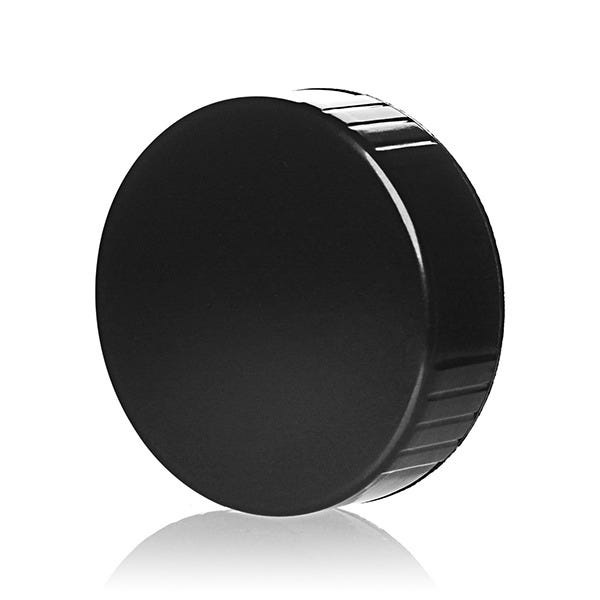
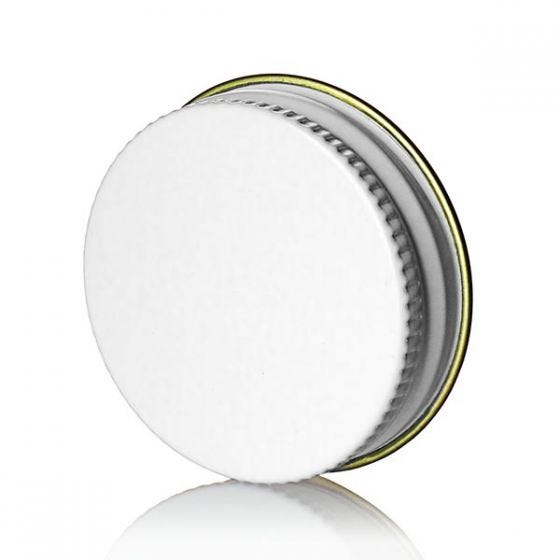

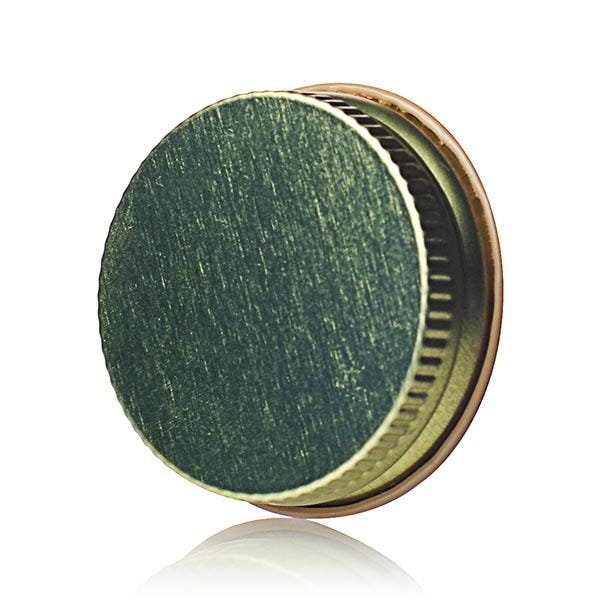
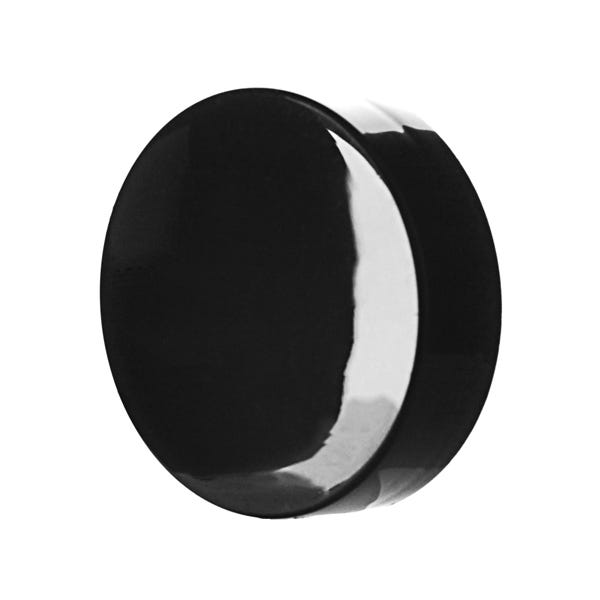

 $3.20 (PER PIECE)6 PIECES PER CARTON$19.20 (Per Carton)
 -
 16oz (480ml) Clear PET Wide Mouth Square Beverage Bottle - 38-385 Tamper Evident NeckCLOSURE OPTIONS
 $0.54 (PER PIECE)320 PIECES PER CARTON$172.80 (Per Carton)
 -
 4oz (120ml) Amber Boston Round Glass Bottle - 22-405 NeckCLOSURE OPTIONS


-
 1 Gallon (128oz) Flint (Clear) Economy Round Glass Jar - 110-405 NeckCLOSURE OPTIONS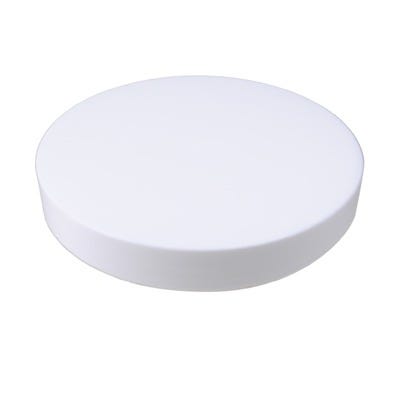
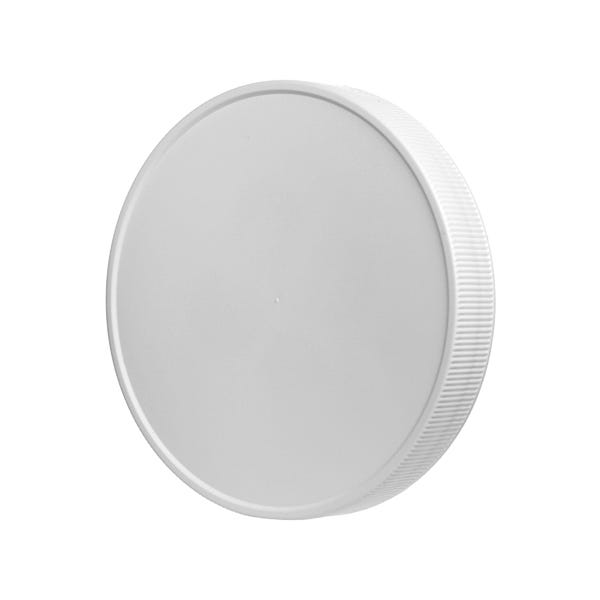
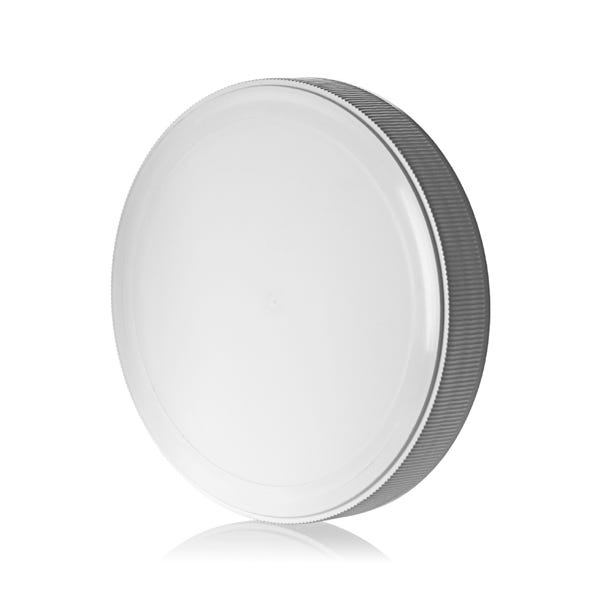 $4.19 (PER PIECE)4 PIECES PER CARTON$16.76 (Per Carton)
 -
 8oz (240ml) Flint Glass Boston Round - 24-400 NeckCLOSURE OPTIONS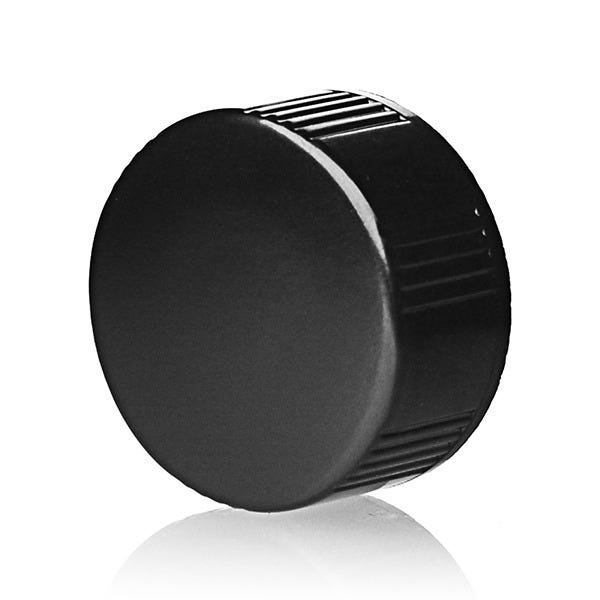


-
 16oz (480ml) Amber Glass Boston Round Bottle - 28-405 NeckCLOSURE OPTIONS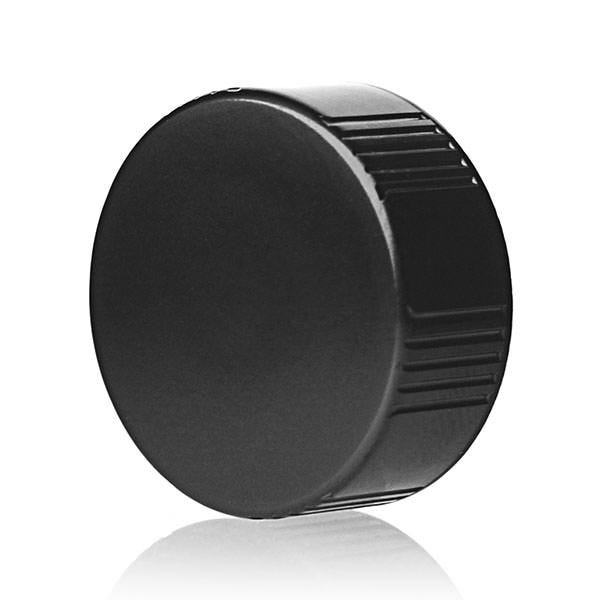




Bottles are available in a range of neck sizes for easy filling. A number of attention-grabbing glass color options are also available, including blue, amber, and green. Clear glass bottles are another great choice for showcasing the natural color and texture of your kombucha drinks.
Food-safe plastic containers are also available for purchase, with styles like Cosmo Round, Cylinder, Bullet, and Rectangular to suit your manufacturing needs. Sizes range from sample-friendly trial-sized all the way up to large gallon-sized bottles. Both plastic and glass containers can be fitted with a heavy-duty cap or closure, to protect your products and reduce spillage. You can even choose colored caps to match your logo or brand colors.
Keep your manufacturing process on track with our easy ordering options. If you aren’t sure which style of container you need for your kombucha products, contact our team of dedicated and experienced packaging experts. We can help you find the right container at the right price. Special discounts are available on wholesale and bulk container orders. We can help you make the best decision for your kombucha beverage product line!
What type of bottles are best for kombucha brewing?
The best bottles for kombucha are swing-top (flip-top) glass bottles with airtight rubber seals, specifically designed for fermentation. These bottles should be made from thick, food-grade glass and rated to handle at least 58-60 PSI of pressure to safely contain the carbonation that builds during second fermentation.
Swing-top bottles are preferred because their rubber gasket creates an airtight seal that traps carbon dioxide, producing the desired fizz. Popular sizes include 16 oz for single servings and 32 oz for larger batches. Grolsch-style beer bottles are also excellent choices, as they're specifically engineered for carbonated beverages.
Avoid using mason jars, decorative bottles from home goods stores, or thin glass containers not designed for fermentation. These can explode under pressure, creating a dangerous mess. Regular beer bottles with crown caps can work but are less convenient since they can't be resealed after burping.
When selecting bottles, look for products explicitly labeled as "fermentation-grade" or "brewing bottles." Quality bottles are reusable for years with proper care, making them a worthwhile investment for home kombucha brewers. Always prioritize safety by choosing bottles specifically designed to handle the pressure of carbonated beverages.
Do I need to "burp" my kombucha bottles during second fermentation?
Burping kombucha bottles—briefly opening them to release excess pressure—is not strictly necessary but depends on your bottles and brewing conditions. High-quality, pressure-rated bottles (58+ PSI) are designed to safely contain carbonation buildup, making burping optional.
However, many home brewers choose to burp their bottles daily during second fermentation for several reasons. It prevents over-carbonation, reduces the risk of bottle explosions (especially in warmer environments or with high-sugar flavorings), and allows you to monitor carbonation levels by listening to the pressure release. The downside is that frequent burping releases carbon dioxide and results in less fizzy kombucha.
If you're using premium fermentation-grade bottles and brewing in a controlled temperature environment, you can often skip burping entirely. Simply monitor your bottles visually—if caps appear overly tight or puffed, it's wise to release some pressure. After 3-4 days of second fermentation at room temperature, transfer bottles directly to the refrigerator, which slows fermentation and stabilizes carbonation.
New brewers should err on the side of caution and burp bottles once daily until they understand how their specific setup behaves. Safety always comes first when working with pressurized beverages.
Can I use mason jars or regular beer bottles for kombucha?
Mason jars are not recommended for kombucha's second fermentation. Their wide opening creates a large surface area that concentrates pressure, significantly increasing explosion risk. Additionally, mason jar lids don't create the airtight seal needed for proper carbonation, typically resulting in flat, non-fizzy kombucha.
Regular beer bottles present a mixed situation. Standard beer bottles with crown caps can technically work but come with important limitations. They're designed for carbonated beverages, so they can handle pressure—but only if moved immediately to the refrigerator after bottling. Extended second fermentation at room temperature (3-4 days) poses explosion risks, and burping becomes impractical since you'd need to remove and waste each crown cap.
Grolsch-style swing-top beer bottles are an exception. These heavy-duty bottles with reusable flip-top caps work excellently for kombucha brewing and are widely used by home brewers.
For safety and best results, invest in proper fermentation-grade swing-top bottles rated for at least 58 PSI. They're reusable, create consistent carbonation, and eliminate explosion hazards. While it's tempting to repurpose containers you already own, kombucha's active fermentation creates significant pressure that requires appropriate bottles designed specifically for this purpose.
What happens if I leave unpasteurized kombucha bottles out of the fridge?
Unpasteurized kombucha contains live bacteria and yeast that continue fermenting at room temperature, creating several potentially dangerous problems. As fermentation continues, these microorganisms consume remaining sugars and produce carbon dioxide, causing pressure to build inside sealed bottles.
The consequences range from unpleasant to hazardous. Your kombucha will become increasingly sour and vinegary as acidity rises. Off-flavors and unpleasant odors often develop, especially from sediment fermentation at the bottle's bottom. Carbonation levels can become excessive, causing bottles to fizz violently and overflow when opened—or worse, explode if left too long.
Bottle caps may bulge outward as pressure increases, serving as a warning sign. If you notice a tight, puffed cap, open the bottle very carefully in a sink or bowl to contain potential overflow.
Refrigeration is essential for unpasteurized kombucha because cold temperatures dramatically slow fermentation, preserving flavor and preventing dangerous pressure buildup. While fermentation continues even when refrigerated, it occurs at a much safer, slower rate.
If traveling with unpasteurized kombucha, it will typically remain safe for several hours at room temperature. However, never forget bottles in warm environments like cars, as heat accelerates fermentation and increases explosion risk significantly.
How do I know if my bottles are safe and pressure-rated for kombucha?
Safe kombucha bottles should be explicitly labeled as "fermentation-grade," "brewing bottles," or rated for a minimum of 58-60 PSI of pressure. Look for these specifications on product packaging or descriptions when purchasing new bottles.
Avoid decorative swing-top bottles from home goods stores like TJ Maxx or HomeGoods, even if they look similar to brewing bottles. These are often made from thin glass not designed for pressurized beverages and can explode during fermentation, creating a dangerous situation with glass shards and kombucha covering your kitchen from floor to ceiling.
Safe options include bottles specifically marketed for homebrewing kombucha, beer, or other fermented beverages. Reusing commercial bottles is acceptable if they originally contained carbonated drinks—Grolsch beer bottles and store-bought kombucha bottles with swing-top or screw caps are safe choices since they were designed for pressurized contents.
Key safety features include thick, heavy-duty food-grade glass, reinforced necks and mouths, and airtight rubber seals. Square-shaped bottles should be avoided as their shape makes them more prone to pressure failures.
When in doubt, purchase from reputable brewing supply retailers who clearly state pressure ratings. Investing in proper bottles protects both your safety and your kombucha quality.


