

Skin Care Bottles and Jars
Make and Sell Your Own Cosmetic Supplies
Do you produce your own cosmetic and skincare supplies? The cosmetic industry is booming, and showing no signs of slowing down anytime soon. Whether you manufacture makeup or skincare products, you need an attractive container to sell them in. Here at BottleStore.com, you can find an incredible variety of jars and bottles that are perfect for storing skincare and cosmetic items.
Your first decision is whether you want to package your cosmetic products in plastic or glass containers. We have many small glass jars available that are ideal for makeup packaging, and we offer them in a variety of neck sizes, making it easy to find containers that suit your manufacturing methods. Our elegant clear glass jars show off your skin care product’s appearance, which is obviously of great importance when you’re selling makeup and other cosmetic items.
-
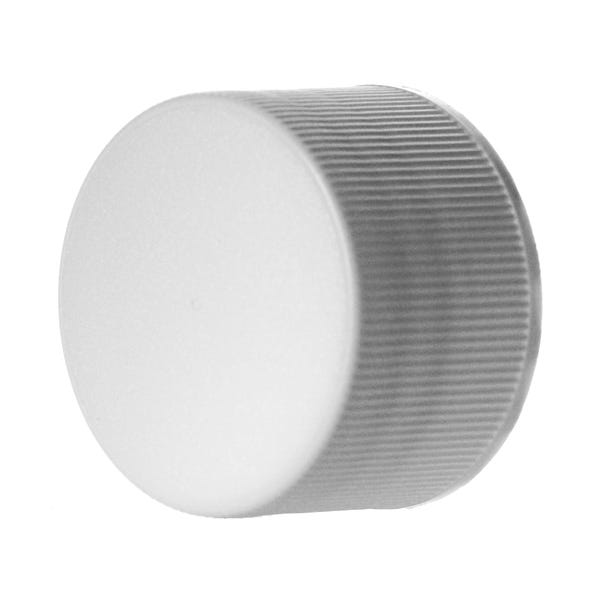
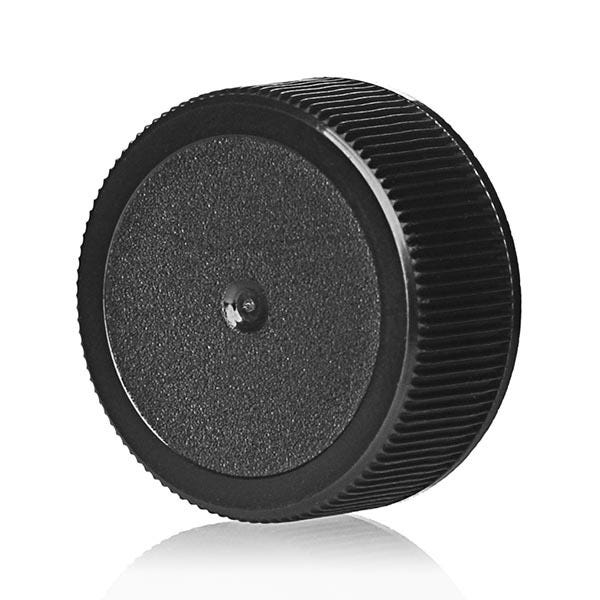
 1L (33.81oz) Black HDPE Boston Round - 28-410 NeckCLOSURE OPTIONS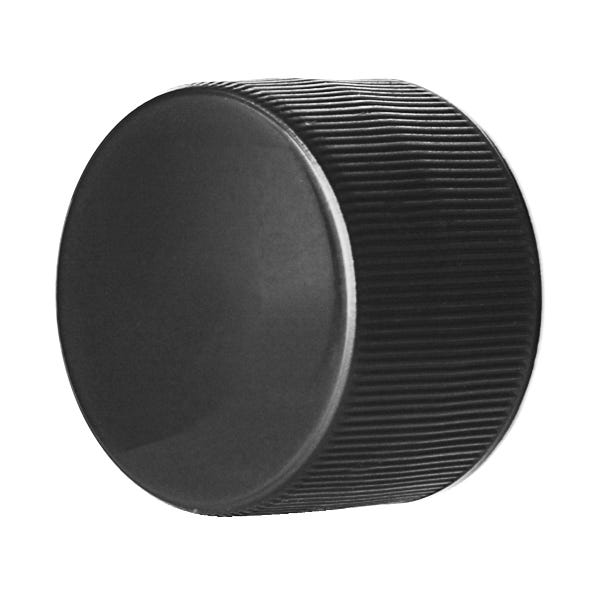
-
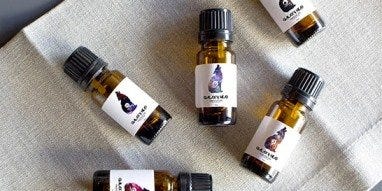
 2oz (60ml) Amber Glass Frosted Boston Round - 20-400 NeckCLOSURE OPTIONS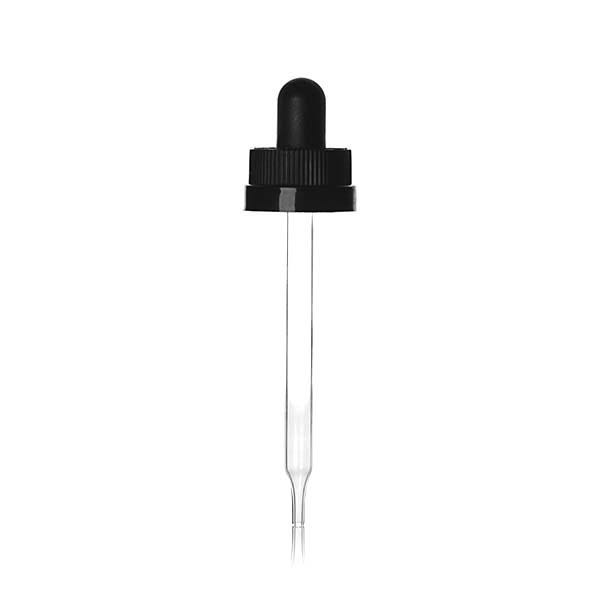
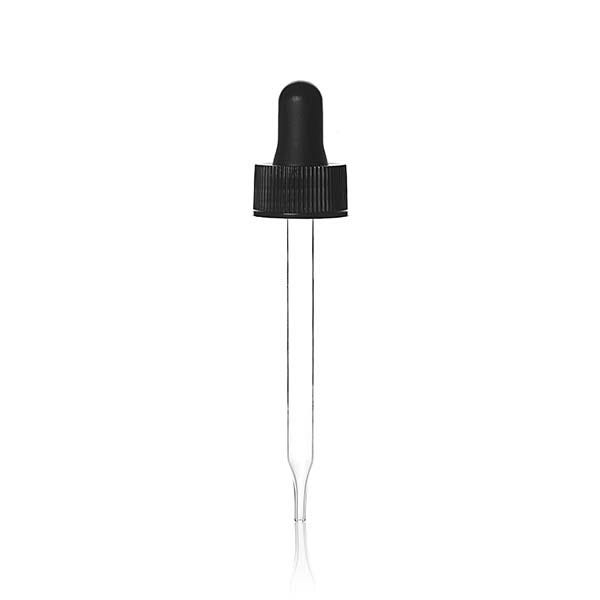

-
 1oz (30ml) Amber Glass Frosted Boston Round - 20-400 NeckCLOSURE OPTIONS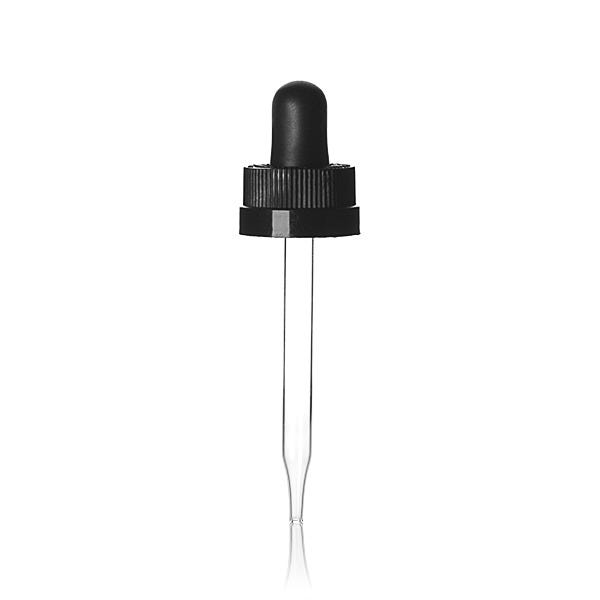
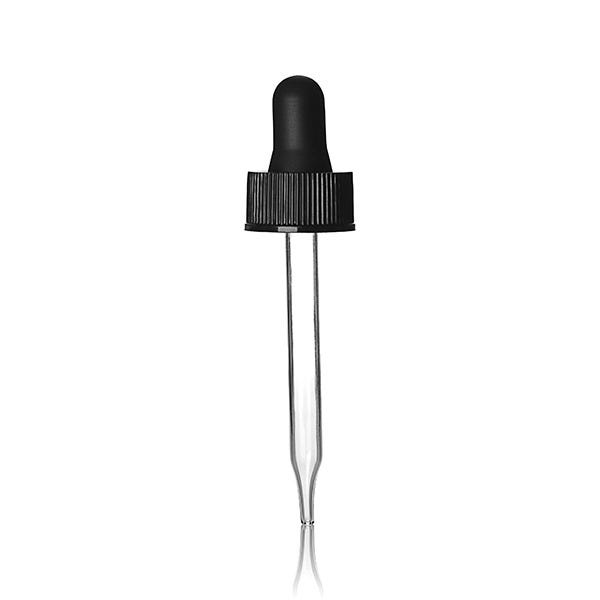
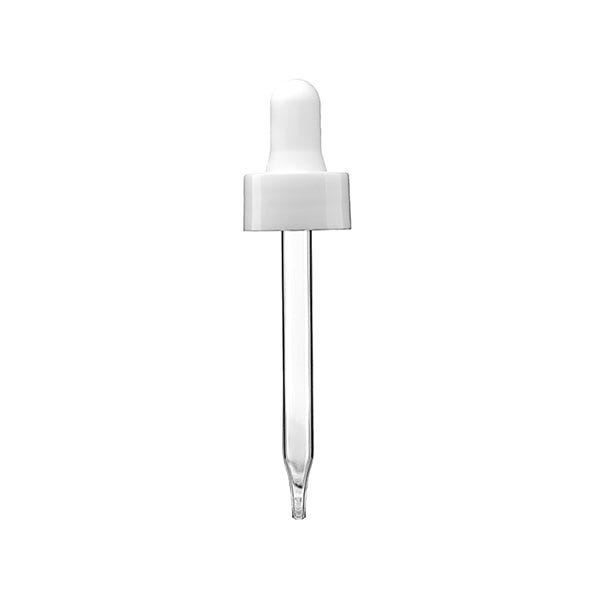 $0.49 (PER PIECE)160 PIECES PER CARTON$78.40 (Per Carton)
 -
 125ml Amber Glass Syrup Bottle Round - 28mm NeckCLOSURE OPTIONS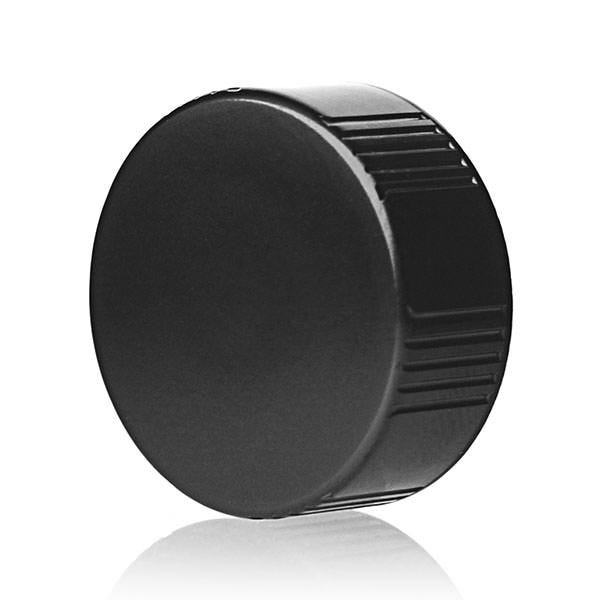


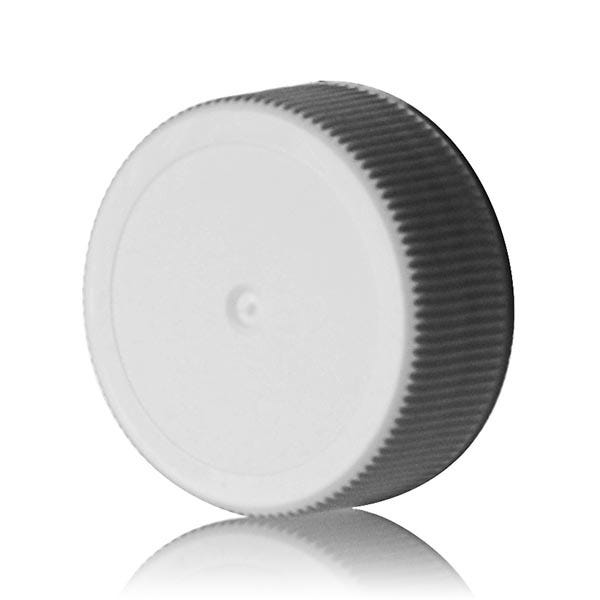
-
 4oz Natural HDPE Boston Round - 24-410 Neck FinishCLOSURE OPTIONS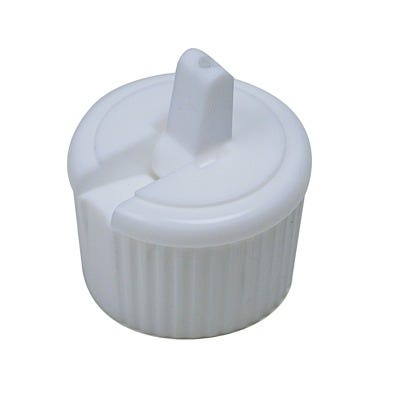
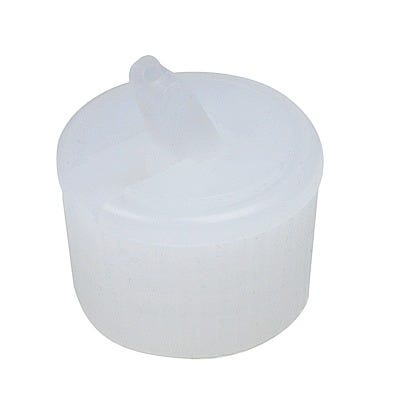
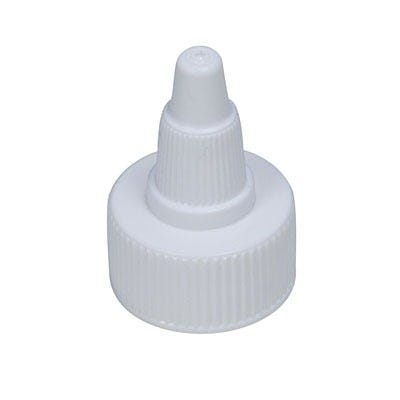

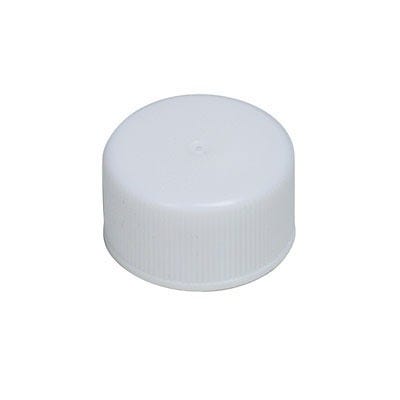
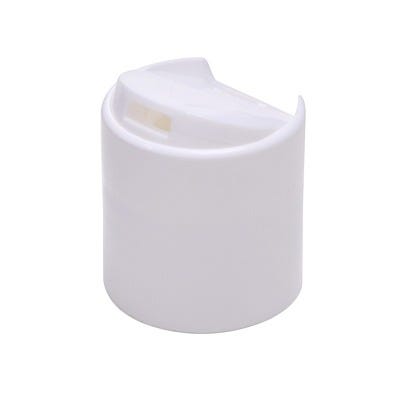
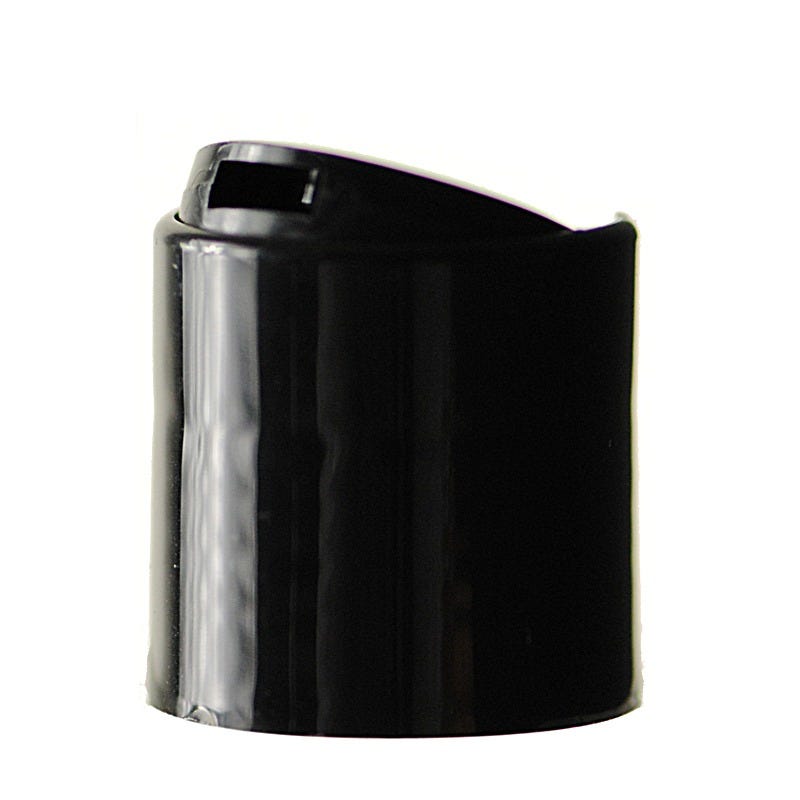

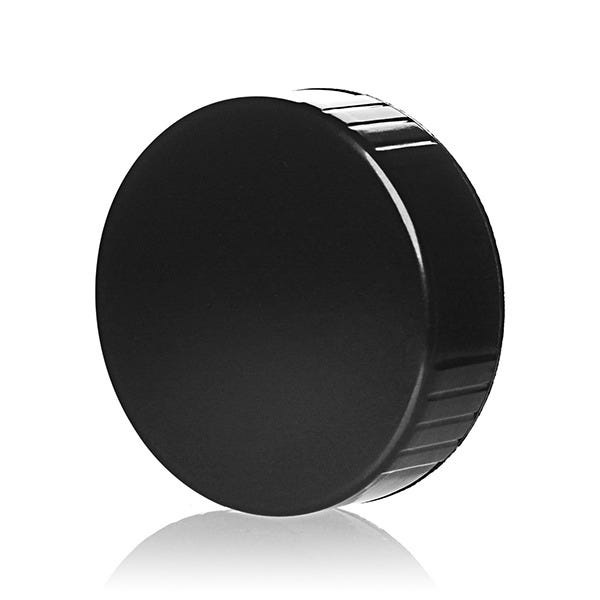
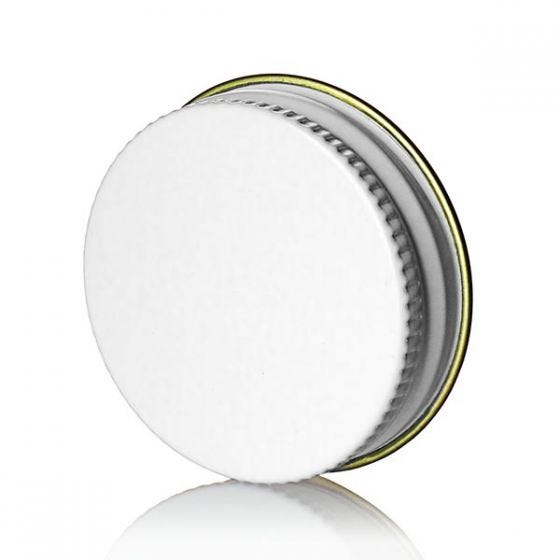

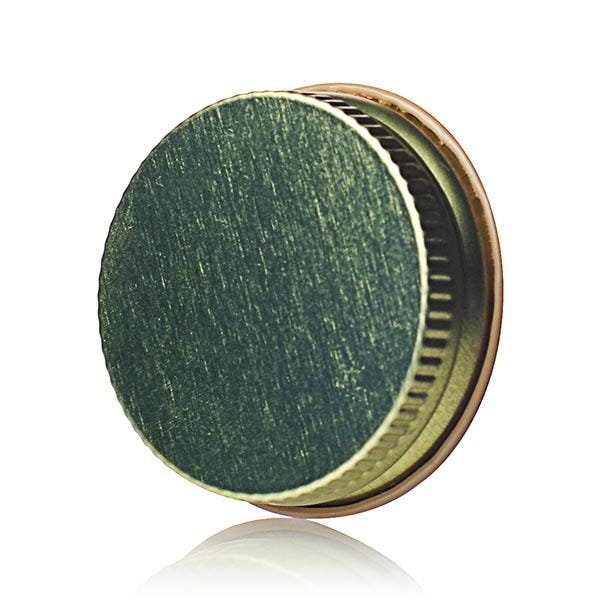
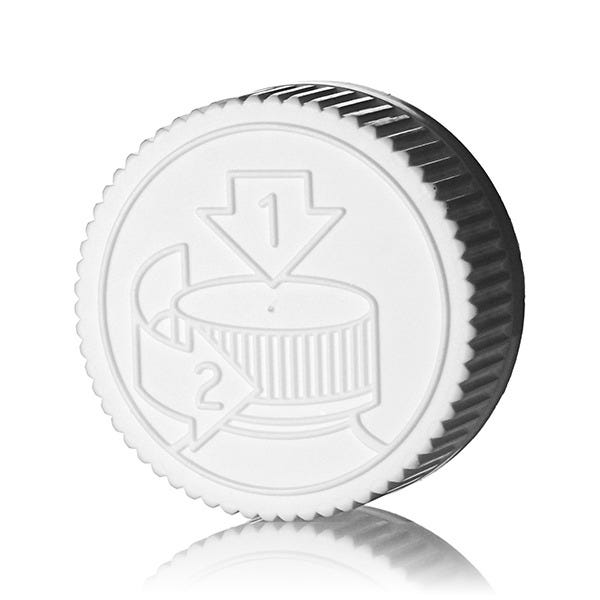
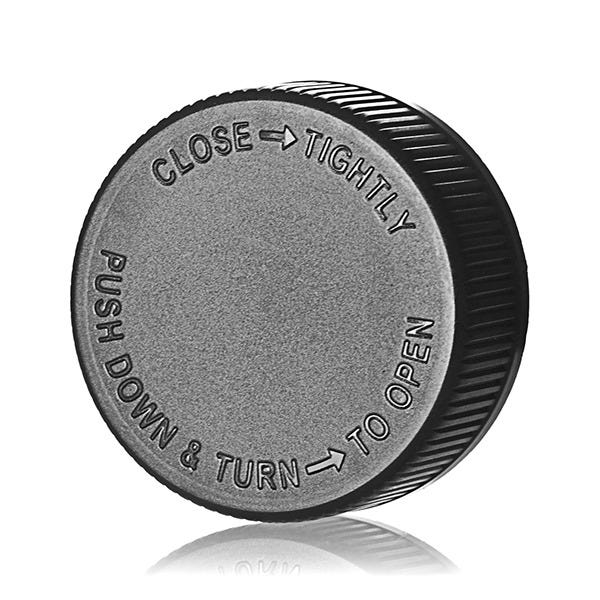
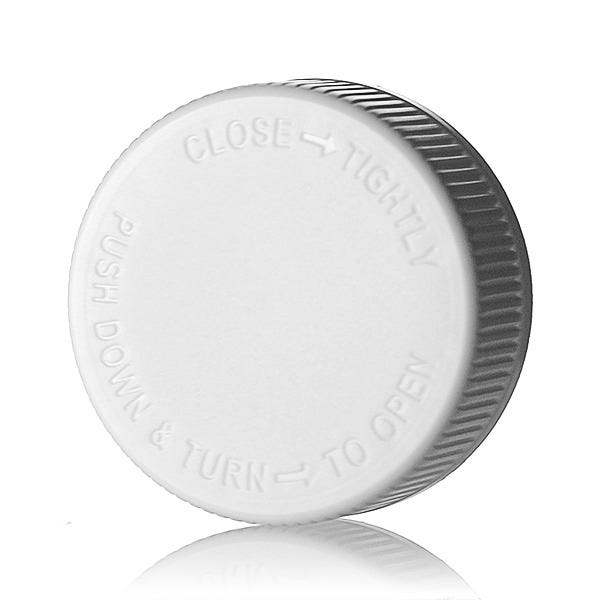

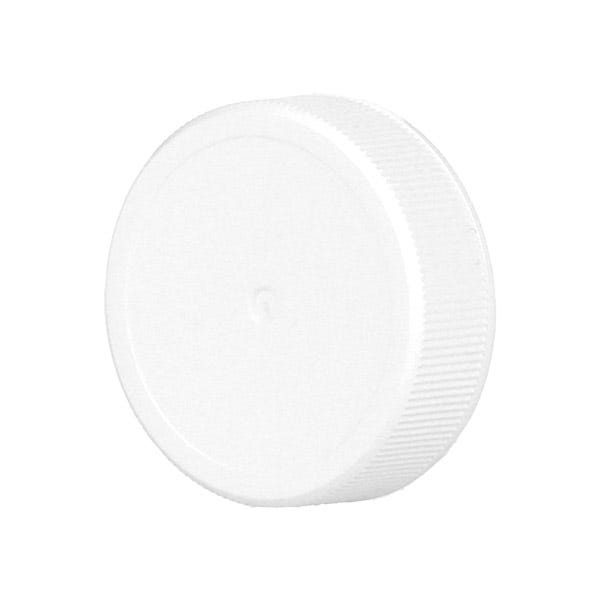
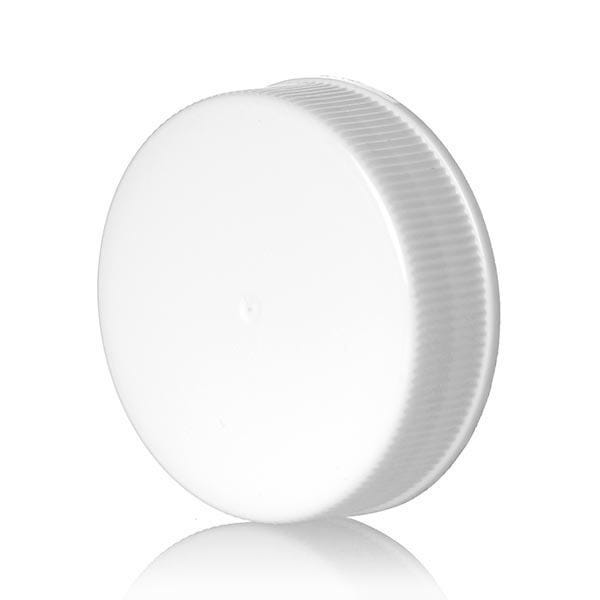
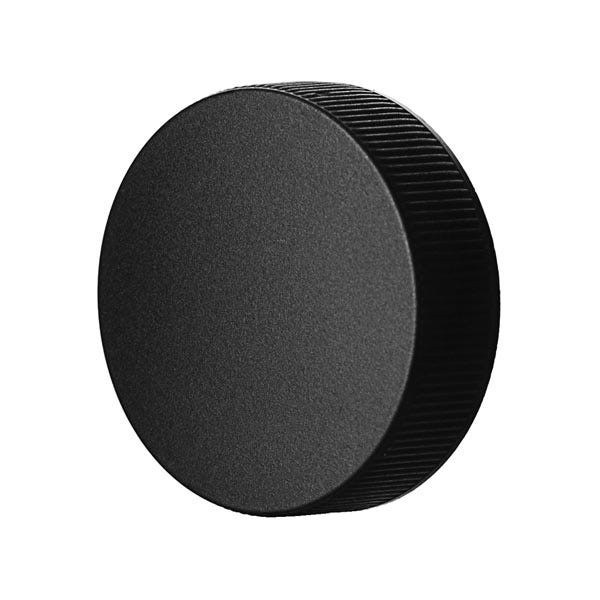

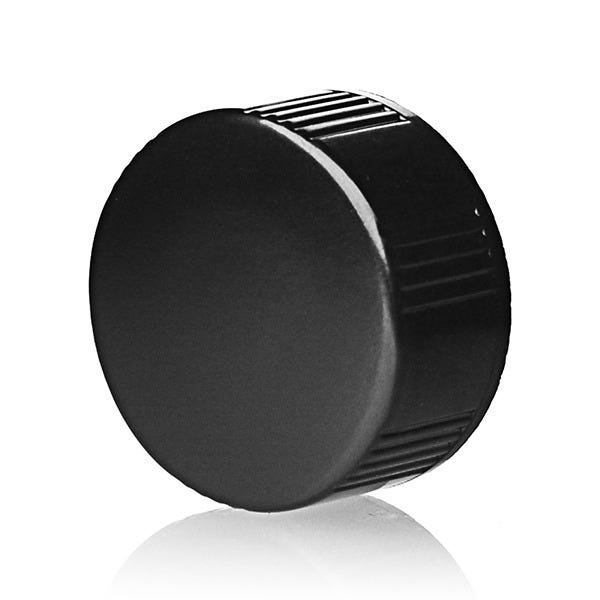


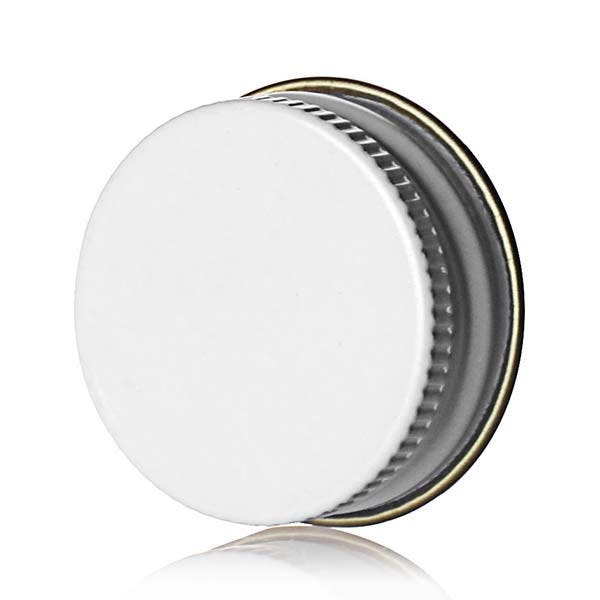

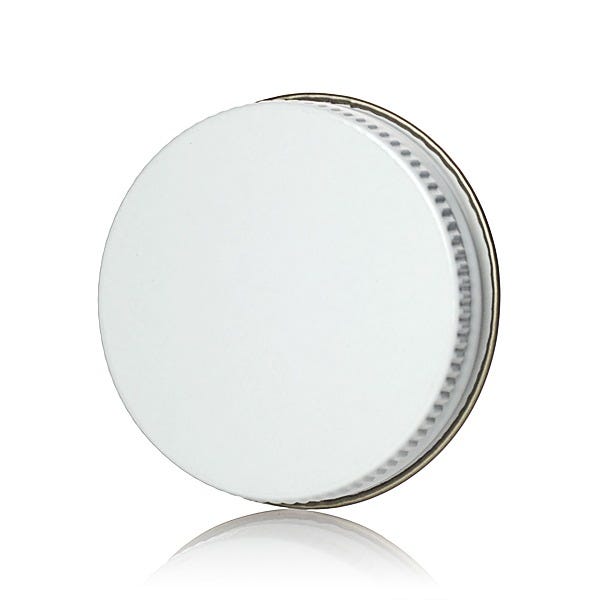
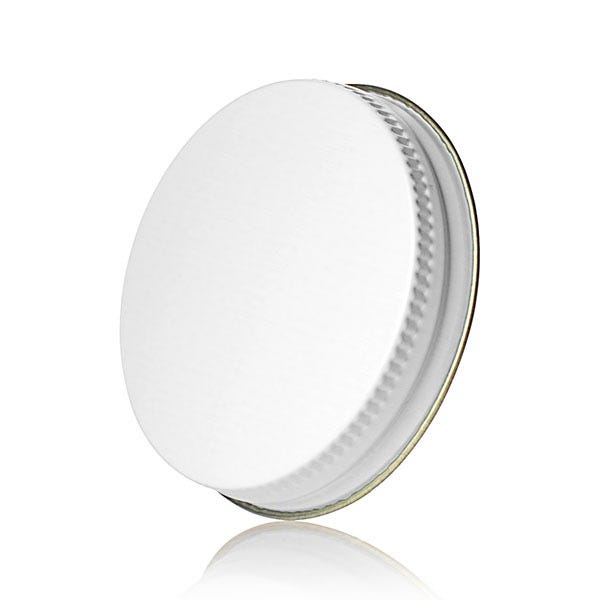

Or, you can opt for the durable practicality of a plastic bottle or jar. We have small round cylindrical HDPE plastic bottles that are ideal for packaging liquids, and we also offer a variety of twist-off and flip-top dispensing closures that allow your customers to dispense the perfect amount of product every time. You can also choose our popular clear round PET plastic jars, which are available in several different sizes to accommodate any amount of skincare product.
Labeling is another vital aspect of packaging skincare products. Not only does a label allow you to display your company’s branding, but it also gives you an opportunity to tell consumers the story of your product. Are your skincare items sustainably sourced? Are they manufactured without animal testing? If you want to share information like this with your customers, talk to one of our BottleStore.com packaging experts today. We can help you choose the perfect labels for your cosmetics.
Skincare Bottles and Jars - Top 5 Most Commonly Asked Questions
1. What are the different types of skin care bottles available?
Skin care bottles come in several specialized formats, each designed for specific product types and user experiences. Dropper bottles feature precision applicators ideal for serums, facial oils, and treatments requiring controlled dosing. Pump bottles dispense consistent amounts of lotions, moisturizers, and cleansers while minimizing air exposure and contamination. Spray bottles deliver fine mists for toners, facial sprays, and setting products, ensuring even application across the skin.
Airless pump bottles represent a premium option that uses vacuum technology to dispense product without air entering the container, making them perfect for formulations with sensitive active ingredients like vitamin C, retinol, and peptides. Standard round or cylinder bottles with screw caps work well for gel cleansers and basic formulations where precise dispensing isn't critical.
Boston round bottles offer a classic pharmaceutical aesthetic with their rounded shoulders and narrow necks, commonly used for toners and essences. The right bottle type depends on your product's viscosity, ingredient stability requirements, and desired user experience. Thicker creams work well with pumps, while lightweight serums benefit from droppers, and refreshing products shine in spray formats.
2. Should I choose glass or plastic bottles for skin care products?
The choice between glass and plastic bottles depends on your priorities regarding product protection, sustainability, and practicality. Glass bottles offer superior chemical inertness, meaning they won't interact with your formulation or leach chemicals into sensitive ingredients. They provide excellent UV protection when tinted (amber or cobalt blue), making glass ideal for products containing retinol, vitamin C, essential oils, and other light-sensitive actives. Glass also delivers a premium aesthetic that elevates brand perception and is infinitely recyclable without quality loss.
Plastic bottles excel in practicality—they're lightweight, shatter-resistant, and cost-effective, making them ideal for travel, bathroom use, and products applied with wet hands. Modern cosmetic-grade plastics like PET and HDPE are BPA-free and widely recyclable. High-density polyethylene (HDPE) offers excellent chemical resistance for most formulations, while advances in post-consumer recycled (PCR) plastics support sustainability goals.
Choose glass for premium serums, facial oils, and products with highly reactive ingredients. Opt for plastic for everyday cleansers, body lotions, and products where durability and convenience outweigh luxury positioning. Many brands successfully use both materials across different product lines.
3. What bottle color is best for protecting my skin care products?
Bottle color plays a crucial role in protecting light-sensitive active ingredients from degradation. Amber (brown) glass provides the best overall UV protection, blocking approximately 90% of light in the 10-400 nanometer range. This makes amber bottles ideal for products containing vitamin C, retinol, essential oils, and botanical extracts that oxidize when exposed to light. Pharmaceutical and natural skincare brands frequently choose amber for its proven protective properties.
Cobalt blue glass offers similar UV protection while providing a distinctive, luxurious appearance that appeals to premium skincare brands. Blue glass blocks harmful wavelengths while allowing some visible light through, making it popular for facial oils and serums.
Frosted or opaque glass diffuses light and provides moderate protection while creating an elegant, modern aesthetic. This option works well for products with moderately stable ingredients.
Clear (flint) glass maximizes product visibility, allowing customers to see color, texture, and remaining quantity. However, it offers minimal light protection and should only be used for formulations with stable ingredients or products stored in dark environments. For maximum ingredient potency and shelf life, amber and cobalt blue bottles provide superior protection against light-induced degradation.
4. What dispensing mechanism works best for my product type?
Selecting the right dispensing mechanism ensures optimal product performance and user experience. Pump dispensers work best for lotions, moisturizers, and liquid cleansers with medium viscosity. They deliver controlled, consistent amounts while preventing contamination and air exposure, making them ideal for daily-use products. Treatment pumps with airless technology suit formulations containing sensitive actives like retinol and peptides.
Dropper applicators excel with serums, facial oils, and concentrated treatments requiring precise dosing. They allow users to dispense exactly the amount needed, typically 2-3 drops for facial serums, minimizing waste while maintaining hygiene.
Spray nozzles suit toners, facial mists, and setting sprays that require even distribution. Fine mist sprayers deliver a refreshing, lightweight application, while trigger sprays work for thicker formulations or larger coverage areas.
Disc cap closures pair well with gel cleansers and products applied with wet hands, offering easy one-handed operation and secure closure.
Standard screw caps remain appropriate for thick creams, balms, and products that don't require precise dispensing. Consider your product's viscosity, target application area, and whether ingredients are air-sensitive when selecting the optimal dispensing mechanism for superior functionality and customer satisfaction.
5. What size bottles should I use for skin care products?
Selecting appropriate bottle sizes requires balancing customer value, product freshness, and practical usage considerations. Facial serums and treatments typically range from 15ml to 30ml, as users apply only 2-3 drops daily. This sizing ensures products are consumed within 3-6 months after opening, maintaining ingredient potency throughout the usage period.
Facial moisturizers and cleansers commonly come in 50ml to 100ml sizes, matching typical usage rates of approximately 0.5-1ml per application. The 50ml size has become an industry standard for facial creams, offering roughly 2-3 months of daily use.
Body lotions and treatments require larger formats, typically 200ml to 500ml, since they cover more surface area and are used more generously.
Travel and sample sizes (5ml-15ml) allow customers to test products before committing to full sizes and meet TSA regulations for air travel.
Consider your product's period-after-opening (PAO)—the timeframe during which it remains effective after initial use. Products with natural preservative systems or highly active ingredients benefit from smaller sizes that encourage consumption within optimal freshness windows. Larger sizes may offer better value but risk ingredient degradation from repeated air exposure, especially in jar packaging.


