


Learn More: Bottling Essential Oils Read our Blog Post
Health and Beauty Packaging - Top 5 Most Commonly Asked Questions
1. What packaging materials are best for health and beauty products?
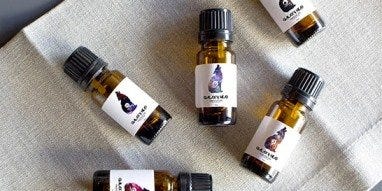
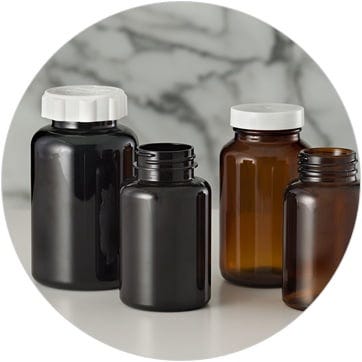
The best packaging materials for health and beauty products depend on the formulation, sensitivity of active ingredients, and intended use. Glass is often preferred for serums, oils, and treatments containing potent actives because it is non-reactive, impermeable, and offers strong protection against oxygen and contamination. Amber or cobalt glass adds UV protection for light-sensitive formulations.
Plastics such as PET and HDPE are commonly used for lotions, cleansers, shampoos, and body care products due to their durability, lightweight nature, and cost efficiency. These materials are typically BPA-free and designed specifically for cosmetic use. Airless plastic packaging is especially popular for creams and emulsions, as it minimizes air exposure and helps preserve freshness.
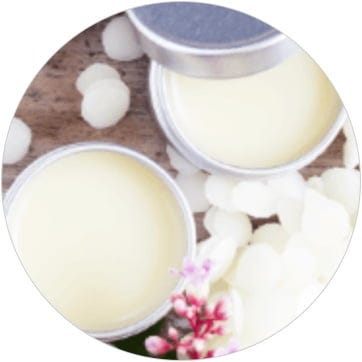
Aluminum packaging is increasingly used for deodorants, balms, and minimalist beauty products because it is lightweight, recyclable, and provides a strong barrier. Choosing the best material involves balancing product protection, shelf life, sustainability goals, consumer experience, and brand positioning.
2. Is health and beauty packaging safe for cosmetic and skincare formulations?
Health and beauty packaging is considered safe when it complies with regulatory standards and is compatible with the formulation. In the U.S., cosmetic packaging materials must meet FDA guidelines for indirect contact, ensuring they do not release harmful substances into the product. Reputable packaging suppliers offer BPA-free and phthalate-free materials tested for chemical stability.
Safety also depends on matching the right packaging to the formulation. Certain essential oils, alcohol-based products, or acidic ingredients can interact with low-quality plastics, which is why compatibility testing is common during product development. Glass is naturally inert and widely used for sensitive or high-potency formulations.
Closures and dispensing components also contribute to safety by preventing leaks, contamination, and excessive air exposure. When properly sourced and tested, modern health and beauty packaging is safe, reliable, and suitable for a wide range of skincare, cosmetic, and personal care products.
3. How do I choose the right closure, pump, or applicator?
Selecting the right closure or applicator depends on the product’s texture, usage pattern, and desired user experience. Droppers are commonly used for serums and oils, offering precise dispensing for concentrated formulas. Lotion pumps are ideal for creams and body care products, providing convenience and consistent dosing.
Airless pumps are especially popular in skincare because they reduce air exposure, helping protect active ingredients and extend shelf life. They also improve hygiene by limiting contact with the product. Sprayers and mist pumps work well for toners, facial mists, and hair products that require even distribution.
Jars are often chosen for thicker creams but raise hygiene concerns due to repeated finger contact, which is why many brands include spatulas or opt for pump alternatives. Roll-on applicators are effective for targeted applications such as eye treatments or essential oils. The right closure enhances product performance, safety, and overall customer satisfaction.
4. What packaging options help preserve product freshness and extend shelf life?
Packaging plays a key role in maintaining product freshness and extending shelf life, especially for formulations with active or preservative-light ingredients. Airless packaging systems are among the most effective options, as they prevent air from entering the container during use, reducing oxidation and contamination.
Glass packaging offers strong protection because it is impermeable and non-reactive. Dark-colored glass provides additional UV protection for light-sensitive formulas. Pump-based systems also help limit repeated exposure to air and hands, which can introduce bacteria.
Tight-fitting closures and tamper-evident features protect products before first use and help maintain integrity throughout distribution. For brands focused on longevity and performance, combining protective materials, controlled dispensing systems, and proper formulation testing is essential. Thoughtful packaging not only preserves freshness but also enhances product reliability and consumer trust.
5. Is health and beauty packaging sustainable or recyclable?
Many health and beauty packaging options are designed with sustainability in mind. Glass and aluminum are highly recyclable materials that can be reused repeatedly without loss of quality. Plastics such as PET and HDPE are also widely recyclable when processed through appropriate recycling programs.
Brands are increasingly using post-consumer recycled (PCR) plastics, refillable systems, and lightweight packaging to reduce environmental impact. Designing packaging with fewer mixed materials improves recyclability and supports circular economy goals.
However, sustainability must be balanced with product protection and safety. Packaging still needs to preserve formulation integrity and prevent contamination. Consumers are increasingly drawn to brands that clearly communicate their sustainability efforts, making responsible packaging choices both an environmental and brand advantage.


